Cloud based systems empower businesses to scale operations efficiently without heavy upfront infrastructure costs. These platforms offer flexible storage, real-time collaboration, and remote access capabilities that traditional systems cannot match. Moreover, cloud solutions provide automatic updates, enhanced security, and seamless integration with existing tools.
Consequently, businesses experience improved productivity, reduced IT expenses, and faster adaptation to market changes, making cloud technology essential for sustainable growth.
How Cloud-Based Systems Support Business Growth
In digital world, businesses in Austin, Texas, are constantly searching for ways to stay competitive and expand their operations. Therefore, many small and medium-sized enterprises are turning to cloud-based systems as a solution.
These powerful platforms have transformed how companies manage their data, communicate with teams, and serve their customers. Cloud-based systems support business growth by providing flexible, scalable, and cost-effective solutions that traditional infrastructure cannot match.
Furthermore, these systems allow businesses to access their information from anywhere, collaborate in real-time, and adapt quickly to changing market conditions. As a result, companies that embrace cloud technology often experience faster growth and better customer satisfaction.
You May Like: Why System Integration Powers Digital Transformation
Understanding Cloud Based Systems
Cloud-based systems are software applications and services that run on the internet rather than on physical computers in an office. Instead of purchasing expensive servers and hardware, businesses can use cloud platforms to store data, run applications, and manage operations online. Consequently, this approach eliminates the need for large upfront equipment investments.
Additionally, cloud systems work by storing information on remote servers managed by service providers like Microsoft Azure, Google Cloud, or Amazon Web Services. Users simply need an internet connection to access their files, programs, and data from any device. Therefore, employees can work from home, the office, or even while traveling without any disruption to their workflow or productivity.
1- Cost Savings and Financial Flexibility
One of the most significant ways cloud-based systems support business growth is through substantial cost savings. Traditional IT infrastructure requires businesses to purchase servers, install software, and hire technical staff to maintain everything. However, cloud services operate on a subscription model, allowing companies to pay only for what they use.
Moreover, this pay-as-you-go approach means Austin businesses can start small and scale their services as they grow. A local retail shop can begin with basic cloud storage and later add customer relationship management tools or inventory systems. As a result, businesses avoid wasting money on unused capacity or outdated equipment.
The financial benefits of cloud-based systems include:
- Lower upfront costs since there’s no need to purchase expensive servers or infrastructure
- Reduced energy expenses from not having to power and cool physical servers in your office
- Minimal maintenance fees because the service provider handles all updates and repairs
- Predictable monthly budgets with fixed subscription costs instead of surprise hardware failures
Furthermore, businesses can redirect these savings toward marketing, product development, or hiring new employees. Therefore, cloud-based systems free up capital that can be invested in activities that directly drive revenue and business expansion.
2- Scalability and Growth Support
Cloud-based systems excel at supporting businesses as they expand their operations. Unlike traditional systems that require purchasing new hardware when a company grows, cloud platforms can instantly scale up or down based on current needs. Consequently, businesses can handle seasonal fluctuations or unexpected growth without major infrastructure changes.
An Austin-based e-commerce business might experience a surge in orders during the holiday season. With cloud systems, they can temporarily increase their server capacity to handle the extra traffic and then scale back afterward. Therefore, they only pay for the resources they actually need during peak periods.
Additionally, cloud platforms make it easy to add new users, locations, or services without complicated installations. A growing company can onboard new employees quickly by simply creating user accounts and granting access permissions. As a result, businesses can expand their teams without worrying about technical limitations. This scalability becomes particularly valuable when companies need to respond rapidly to market opportunities or customer demands.
You May Like: Custom CRM Benefits: 7 Ways Small Businesses will Win
3- Enhanced Collaboration and Productivity
Modern cloud-based systems have revolutionized how teams work together, especially in today’s increasingly remote work environment. These platforms enable real-time collaboration, allowing multiple employees to work on the same document, project, or task simultaneously. Therefore, teams can accomplish more in less time while maintaining better communication across departments.
Furthermore, cloud systems eliminate version control problems that plague traditional file-sharing methods. Instead of emailing documents back and forth, employees can access the latest version stored in the cloud. Consequently, everyone stays on the same page, reducing errors and miscommunication that can slow down projects.
Key collaboration features include:
- Real-time document editing where team members can work together on files simultaneously
- Instant messaging and video conferencing integrated directly into work platforms
- Shared calendars and scheduling tools that keep everyone aligned on deadlines
- Project management capabilities that track tasks, assignments, and progress in one place
Cloud-based communication tools like Slack, Microsoft Teams, and Zoom integrate seamlessly with other business applications. Austin businesses can conduct video meetings, share screens, and collaborate on presentations without switching between multiple platforms. As a result, productivity increases significantly, and teams can focus on delivering results rather than managing technology.
4- Data Security and Disaster Recovery
Many business owners worry about data security when considering cloud-based systems. However, reputable cloud providers invest heavily in security measures that exceed what most small businesses could implement on their own. These measures include encryption, firewalls, multi-factor authentication, and continuous monitoring for threats around the clock.

Additionally, cloud systems offer superior disaster recovery capabilities compared to traditional setups. If a local office experiences a fire, flood, or equipment failure, data stored in the cloud remains safe and accessible. Therefore, businesses can continue operations with minimal disruption during emergencies, protecting revenue and customer relationships.
Furthermore, cloud providers maintain multiple backup copies of data across different geographic locations. This redundancy ensures that information is never truly lost, even in catastrophic situations. Consequently, Austin businesses gain peace of mind knowing their critical data is protected. The automatic backup processes also eliminate the risk of human error that often occurs with manual backup systems.
5- Access to Advanced Technology
Cloud-based systems give small and medium-sized enterprises access to sophisticated tools that were once affordable only for large corporations. These platforms include artificial intelligence, machine learning, advanced analytics, and automation capabilities. Therefore, Austin businesses can compete more effectively with larger competitors while operating on smaller budgets.
Cloud-based customer relationship management systems can automatically track customer interactions, predict buying patterns, and suggest personalized marketing strategies. Similarly, cloud accounting software can automate invoicing, expense tracking, and financial reporting. As a result, business owners can make data-driven decisions without hiring expensive specialists or consultants.
Advanced features available through cloud platforms include:
- Artificial intelligence tools that analyze customer behavior and optimize business processes
- Predictive analytics that forecast sales trends and inventory needs
- Automated reporting dashboards that provide real-time business insights
- Machine learning capabilities that improve over time as they process more data
Moreover, cloud providers continuously update their services with the latest features and improvements. Businesses benefit from these innovations automatically without needing to purchase new software or upgrade hardware. Consequently, they always have access to cutting-edge technology that keeps them competitive in their industry.
6- Integration and Automation
Another way cloud-based systems support business growth is through seamless integration between different business tools. Modern cloud platforms can connect accounting software, inventory management, customer service systems, and marketing tools into a unified ecosystem. Therefore, information flows smoothly between departments without manual data entry or duplicate records.
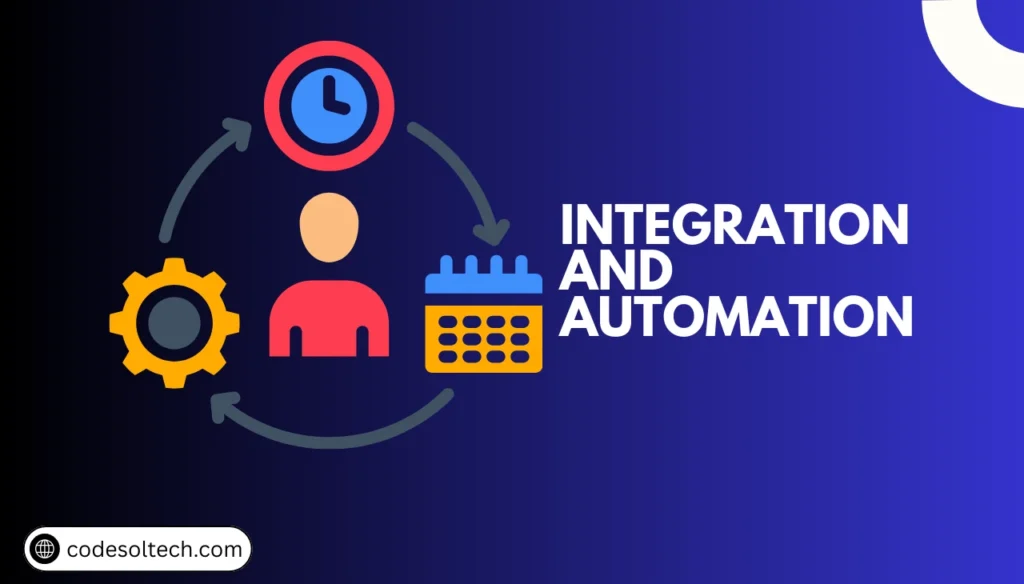
Furthermore, this integration enables powerful automation workflows that save time and reduce human error. When a customer makes a purchase, the cloud system can automatically update inventory records, generate an invoice, send a confirmation email, and notify the shipping department. As a result, employees can focus on higher-value tasks instead of repetitive administrative work.
Integration with third-party applications expands functionality without requiring custom development. Austin businesses can add payment processing, email marketing, or social media management tools that work seamlessly with their existing cloud systems. Consequently, they can customize their technology stack to meet specific business needs. The ability to create these automated workflows translates directly into cost savings and improved customer experiences.
You May Like: When Small Business Needs a Custom Website | 7 Signs for SMEs
7- Mobile Access and Flexibility
Cloud-based systems provide unprecedented flexibility by enabling access from any device with internet connectivity. Business owners and employees can check sales reports, respond to customer inquiries, or approve expenses from their smartphones while away from the office. Therefore, decision-making doesn’t have to wait until someone returns to their desk.
Moreover, this mobile accessibility supports the growing trend toward flexible work arrangements. Austin businesses can hire talented employees who prefer remote work or need flexible schedules. As a result, companies can attract and retain top talent while reducing office space requirements and associated overhead costs.
Furthermore, mobile access improves customer service by allowing field employees to access information in real-time. Service technicians can view customer history, check inventory availability, or process payments on-site. Consequently, customers receive faster, more efficient service that enhances their overall experience with your business.
Competitive Advantage for Austin Businesses
Local businesses that adopt cloud-based systems gain significant competitive advantages in the Austin market. These platforms enable faster response to customer needs, more efficient operations, and better decision-making through data analytics. Therefore, cloud-savvy businesses often outperform competitors who rely on outdated systems and manual processes.

Additionally, cloud technology levels the playing field between small businesses and large corporations. A local Austin startup can access the same sophisticated tools as national competitors without massive capital investments. As a result, innovative small businesses can disrupt established industries and capture market share through superior technology and customer service.
Moreover, customers increasingly expect businesses to offer convenient digital experiences like online ordering, mobile apps, and self-service portals. Cloud-based systems make it affordable to meet these expectations. Consequently, businesses that embrace cloud technology attract more customers and build stronger brand loyalty in an increasingly digital marketplace.
Final Words
Cloud-based systems have become essential tools for businesses seeking sustainable growth in today’s digital economy. These platforms offer Austin’s small and medium-sized enterprises the flexibility, scalability, and advanced capabilities needed to compete effectively.

By reducing costs, improving collaboration, enhancing security, and providing access to cutting-edge technology, cloud systems remove traditional barriers to business expansion. Furthermore, the ability to integrate various business functions, automate routine tasks, and access information from anywhere creates operational efficiencies that directly impact profitability.
As technology continues to evolve, businesses that embrace cloud-based solutions position themselves for long-term success. Therefore, Austin business owners should seriously consider how cloud technology can transform their operations and accelerate their growth trajectory in an increasingly competitive marketplace.
You May Like: 10 Ways Integrated Systems Improve Team Efficiency with Examples
FAQs
What are cloud-based systems?
Cloud-based systems are software applications and services that operate over the internet rather than on local computers. They allow businesses to store data, run programs, and manage operations without owning physical servers or infrastructure.
How much do cloud-based systems cost?
Cloud systems typically use subscription pricing models where businesses pay monthly or annually based on usage. Costs vary depending on features and number of users, but they generally start affordably for small businesses and scale with growth.
Are cloud-based systems secure?
Yes, reputable cloud providers invest heavily in security measures including encryption, firewalls, and continuous monitoring. Most offer better security than individual businesses could implement on their own, along with automatic backups and disaster recovery.
Can small businesses benefit from cloud systems?
Absolutely. Cloud-based systems are particularly beneficial for small businesses because they eliminate expensive upfront costs, provide access to enterprise-level tools, and scale affordably as the business grows.
What happens if the internet goes down?
While internet connectivity is required to access cloud systems, many platforms offer offline modes for critical functions. Additionally, most businesses experience less downtime with cloud systems than with traditional infrastructure that requires on-site maintenance.
How long does it take to implement cloud-based systems?
Implementation time varies depending on complexity, but many basic cloud systems can be set up within days or weeks. Cloud platforms are generally faster to deploy than traditional software installations.
Stay Connected With Us
Have any questions about implementing cloud-based systems for your Austin business? We’re here to help you navigate your digital transformation journey and find the right solutions for your specific needs. Reach out to us today, and let’s discuss how cloud technology can accelerate your business growth!