AI is no longer only for big companies. Affordable tools now let small teams answer faster, market steadily, and decide with better numbers.
This refreshed guide keeps the original message and adds what it lacked. You get honest answers to the cost and skill fears, real time-saving numbers, and three low-risk first steps.
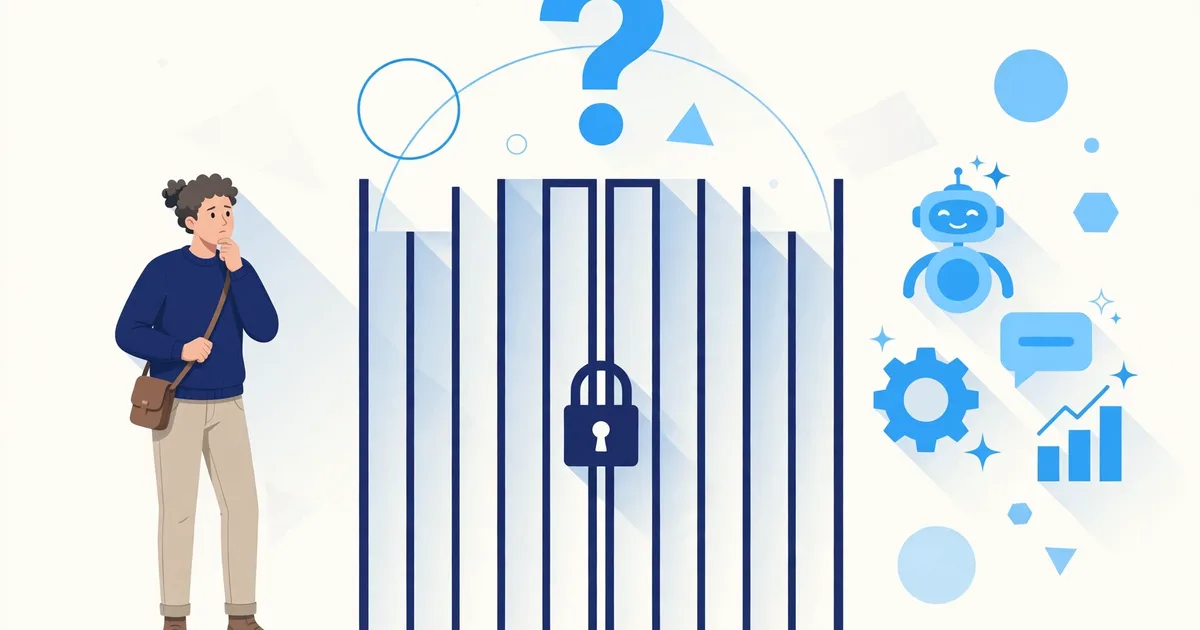
Why small businesses hesitate
Cost fears
Many owners assume AI means big budgets and new infrastructure. Most useful small-business AI tools cost less than one part-time hire.
Skill gaps
Teams worry nobody can run the tools. Modern AI tools are built for non-technical users, with setup measured in hours, not months.
Fear of replacing people
AI replaces tasks, not teams. McKinsey Global Institute stressed in 2025 that most roles change as tasks automate, rather than disappearing. Read the McKinsey coverage in Economic Times.
What AI actually does for a small team
Always-on customer replies
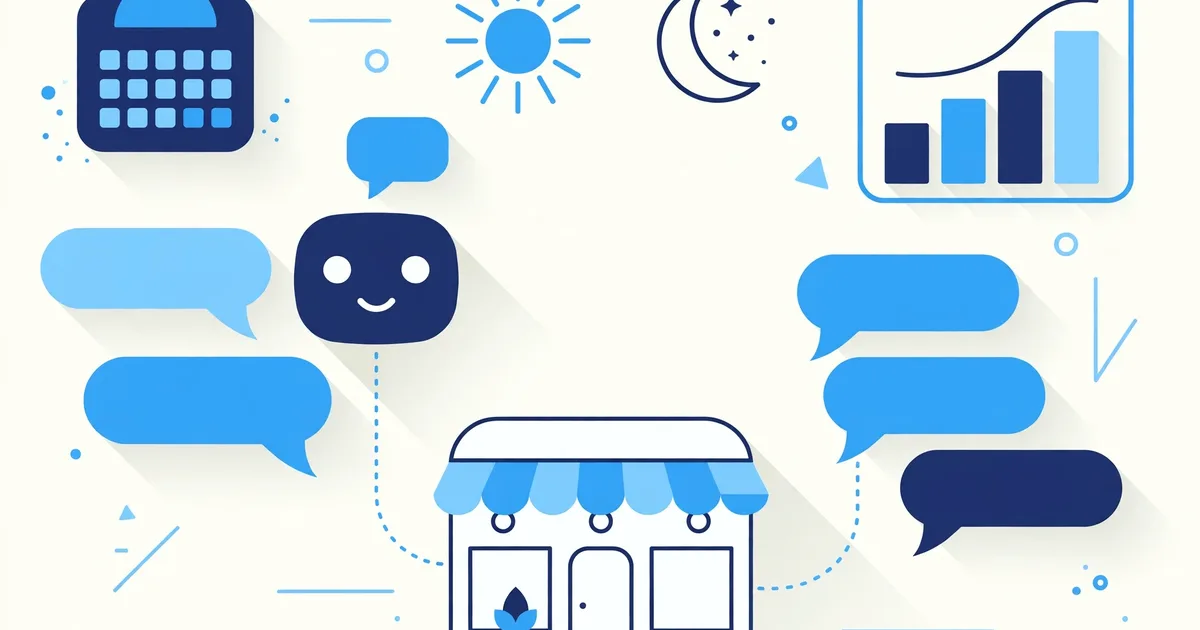
Chatbots and AI receptionists answer questions at any hour. Customers get replies at midnight, and staff start mornings with booked appointments, not missed calls.
Speed pays. A Harvard Business Review study found five-minute replies qualify leads 21 times more often than 30-minute replies. See the summary of the 5-minute lead response rule.
Marketing that runs itself
AI plans posts, drafts emails, and studies which messages work. Consistency stops depending on whoever has a free hour.
Clearer numbers
Dashboards turn sales, bookings, and campaigns into one view. Owners stop guessing and start deciding on evidence.
Zapier surveyed 1,500 knowledge workers and found marketers saving 25 hours a week with automation. Read the Zapier report on automation time savings.
Start small: three low-risk first steps

- Answer FAQs automatically. A chatbot or AI receptionist handles repeat questions first.
- Automate follow-up emails. Every enquiry gets a reply and a reminder without staff effort.
- Track numbers on one dashboard. Connect sales and bookings so decisions use real data.
For tool ideas, see AI sales assistants for small business and how teams actually use them.
Picking the right AI partner

What to ask
Ask what it costs monthly, what happens to your data, and how you cancel. Clear answers beat impressive demos.
Red flags
Avoid partners who demand a huge upfront project, hide pricing, or promise results no tool can guarantee.
For workflow ideas, see AI CRM automation workflows that fit small teams.
Outside help can speed this up. Compare business automation companies in Austin first.
For local ideas, see automation opportunities for small businesses near Austin.
Pricing and quotes
AI helps with pricing too. Past jobs, material costs, and time estimates turn into faster, more consistent quotes.
Faster quotes win jobs. Customers who wait days for a number often accept the faster competitor instead.
Keep a human on final prices. AI drafts the quote, a person checks it, and the customer gets speed plus judgment.
Hiring and training with AI help
AI screens applications and schedules interviews, which saves owners hours during hiring rounds.
Training gets easier too. Short AI-written guides and quizzes bring new hires up to speed faster.
People still make hiring calls. AI narrows the list, humans judge character and fit.
Data privacy basics
Small teams must protect customer data like big ones do. Use tools with clear privacy terms and access controls.
Never paste sensitive customer details into public AI tools. Keep private data inside vetted business systems.
Write a one-page data rule for staff. What goes where, who sees it, and what never leaves the system.
When AI is not the answer
Some jobs need a person, full stop. Complaints, delicate negotiations, and creative direction stay human.
If a task needs empathy or unusual judgment, keep it with people. AI handles the routine around it.
The best small teams mix both. Machines do the repeatable work, people do the meaningful work.
- Automate the routine, not the relationship.
- Check AI output before it reaches customers.
- Keep one human responsible for every automated workflow.
AI for customer retention
Winning a customer costs far more than keeping one. AI helps retention by spotting quiet customers early and triggering a check-in before they leave.
Simple signals work best. No purchase in 60 days, an unanswered question, or a missed renewal all deserve one friendly message.
Personal touches scale with AI. Birthday offers, reorder reminders, and care tips go out automatically, but they still feel personal.
A simple AI budget
Set a small monthly AI budget and review it quarterly. Most small teams start under the cost of one part-time hire and grow only when results prove out.
Track one number per tool: hours saved, leads answered, or sales assisted. If a tool cannot show its number, it does not earn renewal.
Free trials are your friend. Test two tools on real work for two weeks before paying for either one.
Reviewing AI results monthly
AI systems drift. Customer language changes, prices change, and old answers go stale. A monthly review keeps outputs accurate.
Read a sample of AI replies each month. Fix the wrong ones and feed corrections back into the system.
Ask staff what the tools get wrong. The people who handle exceptions see problems long before dashboards do.
AI and local visibility
Local customers search before they visit. AI helps by keeping business listings, hours, and answers consistent everywhere.
Review replies matter locally. Fast, polite answers to reviews build trust with the next customer reading them.
A small team that answers quickly and accurately online looks bigger than it is. That perception wins local jobs.
Want AI working for your small business?