
An electrician CRM keeps every lead, estimate, job, and invoice in one pipeline so nothing slips between the office and the truck. The biggest win is speed. The contractor who sends a clean, priced estimate first usually gets the job, and a CRM is what makes that possible at scale.
This guide covers the exact setup electrical contractors use to quote faster, follow up on unsold estimates automatically, and turn one-off service calls into repeat business.
Why the fastest estimate usually wins the job
Most electricians lose work they already deserved. The homeowner called, the site visit went well, and then the estimate sat in the truck for two days while a competitor replied in twenty minutes.
The 48-hour problem
Homeowners rarely wait. They call two or three contractors, and the first clear estimate sets the price anchor. A quote that arrives fast looks professional. A quote that arrives late looks like a preview of how the job will go.
What the data says
Research by James Oldroyd, published in Harvard Business Review, found that 78% of buyers go with the company that responds to their inquiry first. Lead response is not a soft skill. It is the single biggest lever in most service businesses.
Electricians feel this harder than most trades. Electrical work is urgent, often safety related, and the customer is already anxious. Fast, confident communication is the sale.
What an electrician CRM actually tracks
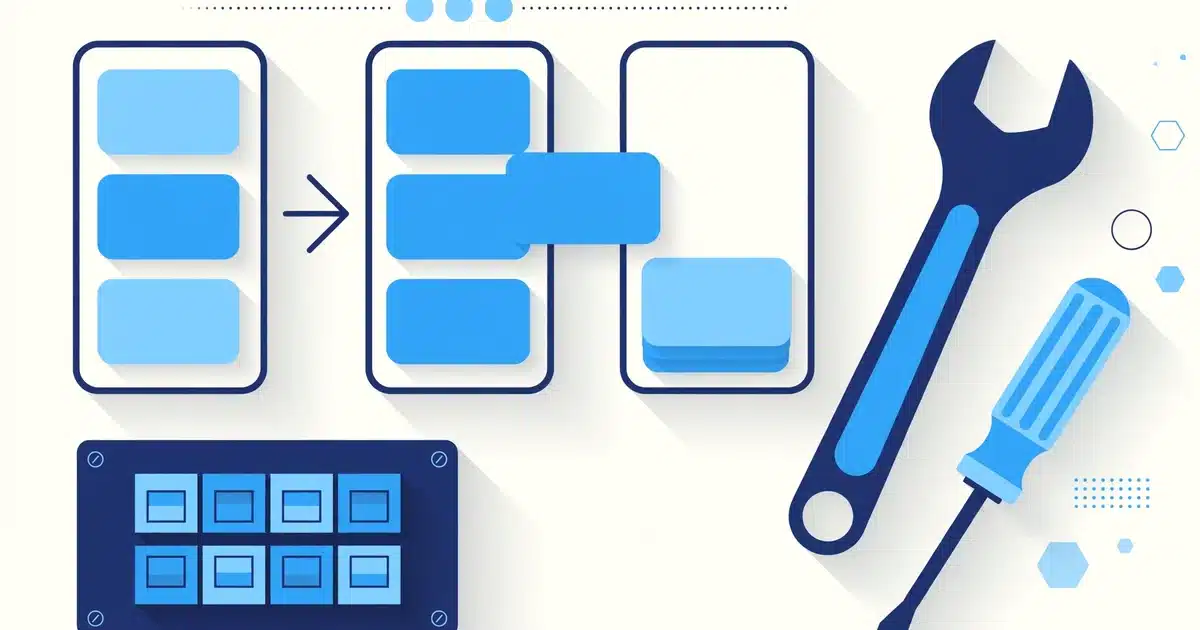
A CRM for electricians is not a generic sales tool with a new logo. It mirrors how electrical work actually flows: a call comes in, someone visits the site, a quote goes out, and the job either lands or needs chasing.
Pipeline stages that fit electrical work
The standard pipeline has five stages: new lead, site visit scheduled, estimate sent, follow-up, and won or lost. Every open estimate shows its age at a glance, so stale quotes get attention before they cool.
One view for the office and the truck
Office staff see the full pipeline. Techs see only their day: scheduled jobs, site notes, and customer history. Client portals can even let customers approve estimates and pay invoices themselves, which cuts the back-and-forth in half.
Plumbing businesses track service requests through a similar flow, and the pattern transfers well to electrical work.
Follow-up on autopilot for unsold estimates

Unsold estimates are the quietest money leak in an electrical business. Most owners never follow up, not because they do not care, but because the day is already full of service calls.
The three-touch sequence
A simple automated sequence does the chasing. One day after the estimate, the customer gets a short check-in with the quote attached. Three days later, a note answering the most common question about the price. Seven days later, a final message offering to adjust the scope.
- Day 1: quote resent with a one-line summary of the work.
- Day 3: a plain-English answer to the price question, before they ask.
- Day 7: an offer to split the job into phases or trim the scope.
Handling the “too expensive” reply
Price objections usually mean the customer cannot compare the options. A CRM that stores past jobs lets you reply with specifics: the panel upgrade that stopped a breaker tripping, the rewire done in one day. Roofing companies manage estimates and jobs the same way, and their close rates climb when every follow-up references real work.
When a lead goes cold, the CRM logs why. Six months later, those “lost on price” contacts become a warm list for a slow season.
Scheduling and dispatch without the whiteboard
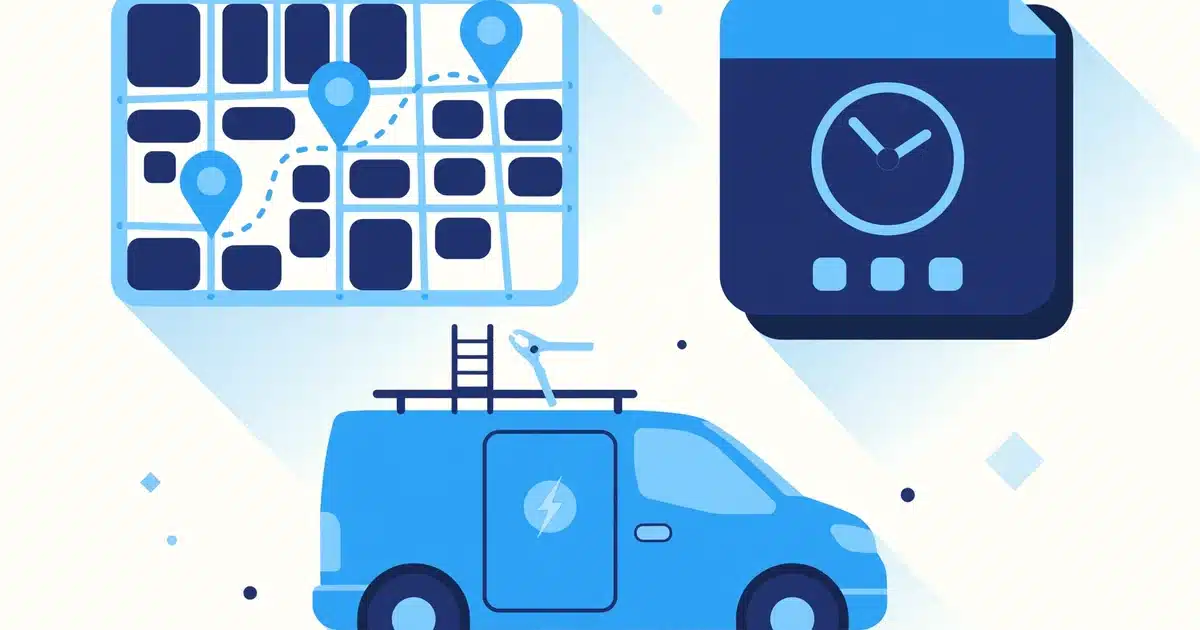
The office whiteboard breaks at about five trucks. Calls double-book, emergency slots vanish, and the person who knows the schedule becomes a single point of failure.
Emergency call triage
Electrical emergencies cannot wait in a queue. A CRM flags urgent calls by keyword and pushes them to the top of the dispatch view. The tech on call sees the address, the panel history, and the customer’s notes before picking up the phone.
After-hours calls that nobody answers are a separate leak. Many contractors now reply to the caller instantly by text and book the job into the CRM for the morning, so nothing waits for office hours.
Route-friendly scheduling
Non-urgent jobs get grouped by neighborhood automatically. Two jobs in the same zip code on the same day saves a truck roll, and the schedule shows travel gaps so office staff stop booking impossible routes. Workflow automation handles the reminders: customers get a text the day before and a “tech is on the way” message with the tech’s name.
Turn one job into repeat business

Most electricians market to strangers while ignoring the customer list they already paid to build. A CRM turns past jobs into a quiet revenue stream.
Panel and safety reminders
Electrical systems age. The CRM tags each customer’s panel type and job date, then fires reminders on a schedule: annual panel checks, smoke detector battery swaps, surge protection reviews after storm season. Each reminder is a booked service call that the customer thanks you for.
Review requests that compound
Reviews decide who gets the next call. The BrightLocal Local Consumer Review Survey found that 87% of consumers read online reviews when choosing a local business. A CRM sends the review link automatically when the invoice is paid, while the good feeling is still fresh.
Happy customers also become the maintenance-plan list. A small yearly plan, panel inspection plus priority dispatch, keeps your name in front of them and smooths out slow months.
A 30-day rollout that actually sticks

CRM projects fail when they start with everything at once. The rollout that works starts small and earns its place.
Weeks 1 and 2: import and pipeline
Move every open lead, unsent estimate, and active job into the five-stage pipeline. Import the customer list with addresses and job history. Nothing else goes live yet. If the pipeline does not match how the business really works, adjust it now, not later.
Weeks 3 and 4: automation and reviews
Switch on the estimate follow-up sequence and the review requests. Add the after-hours text-back. Train one person, usually the dispatcher, as the owner of the system. Roofing company CRM rollouts follow the same pattern, because the trades share the same dispatch reality.
Salesforce’s State of Sales research reports that reps spend only 28% of their time actually selling, with the rest lost to admin. (Source: Salesforce) A CRM built for the trade hands those admin hours back. HVAC contractors run a custom CRM for the same reason: the office stops drowning in paperwork and starts booking work.
Want a CRM that fits your electrical business?