
Digital transformation for healthcare revolutionizes medical practices through electronic health records, telemedicine platforms, AI diagnostics, and patient portals. Modern practices see 40% improved efficiency, enhanced patient engagement, and streamlined operations. Key technologies include cloud-based systems, automated scheduling, digital payment processing, and data analytics, empowering providers to deliver superior care while reducing administrative burdens and operational costs significantly.
Digital Transformation for Healthcare & Medical Practices: Complete Guide
Digital transformation for healthcare has become essential for modern medical practices. Therefore, understanding how technology reshapes patient care is crucial for success. Medical providers now face increasing pressure to modernize their operations while maintaining quality care.
Understanding Digital Transformation in Healthcare
Digital transformation for healthcare involves integrating technology into every aspect of medical practice operations. Moreover, this change affects how doctors interact with patients, manage records, and deliver treatments. The healthcare industry has lagged behind other sectors in adopting digital solutions. However, recent events have accelerated this shift dramatically.
Medical practices that embrace digital tools gain significant competitive advantages. Additionally, they provide better patient experiences and streamline their workflows. The transformation goes beyond simply purchasing new software or equipment. Instead, it requires a complete rethinking of how healthcare services are delivered.
Why Medical Practices Need Digital Solutions
Traditional paper-based systems create numerous challenges for healthcare providers. First, they consume valuable time that could be spent on patient care. Furthermore, manual processes increase the risk of errors and miscommunication. Patients today expect the same convenience from their healthcare providers as they get from other services.
Digital transformation for healthcare addresses these pain points effectively. Subsequently, practices can reduce administrative burdens and focus on what matters most: patient wellbeing. The shift also helps medical facilities comply with regulatory requirements more easily.
1- Electronic Health Records: The Foundation
Electronic Health Records (EHR) systems form the backbone of digital transformation for healthcare. These platforms centralize patient information in secure, accessible formats. Consequently, providers can access complete medical histories instantly during appointments.

EHR systems eliminate duplicate tests and reduce medical errors significantly. Moreover, they facilitate better coordination among different healthcare providers treating the same patient. The implementation process requires careful planning and staff training. Nevertheless, the long-term benefits far outweigh initial challenges.
Modern EHR platforms integrate with other digital tools seamlessly. Therefore, they create a comprehensive ecosystem for managing patient care. Leading solutions include Epic, Cerner, and Athenahealth, each offering unique features.
2- Telemedicine: Expanding Access to Care
Telemedicine represents a revolutionary aspect of digital transformation for healthcare. This technology allows providers to consult with patients remotely through video calls. As a result, patients in underserved areas gain access to specialist care.
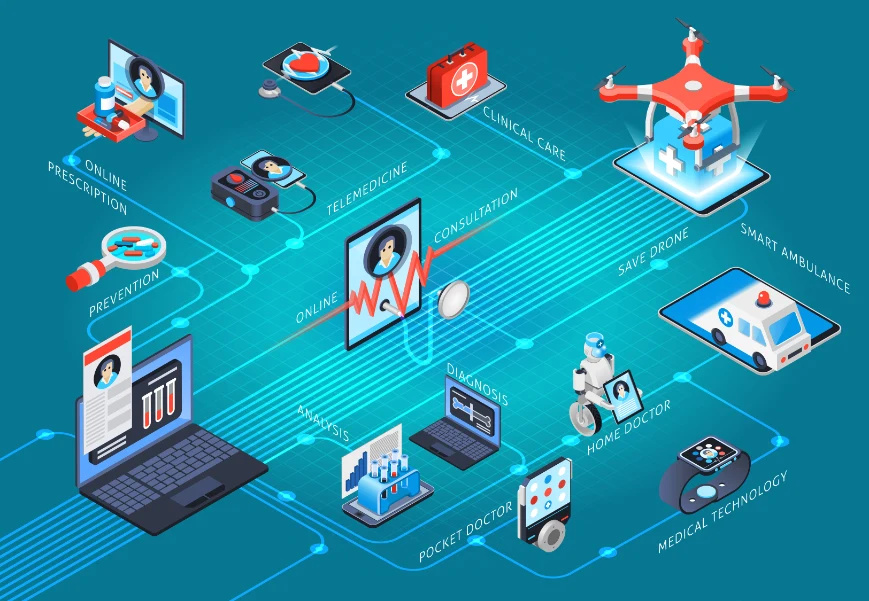
Virtual visits reduce travel time and associated costs for patients. Additionally, they minimize exposure to contagious illnesses in waiting rooms. Medical practices can see more patients daily through efficient telemedicine scheduling.
The technology requires reliable internet connections and user-friendly platforms. However, most patients adapt quickly to virtual appointments. Insurance companies increasingly cover telemedicine services, making them financially viable.
3- Patient Portals: Empowering Healthcare Consumers
Patient portals give individuals control over their healthcare information. These secure online platforms allow patients to view test results, schedule appointments, and communicate with providers. Consequently, engagement levels increase significantly.
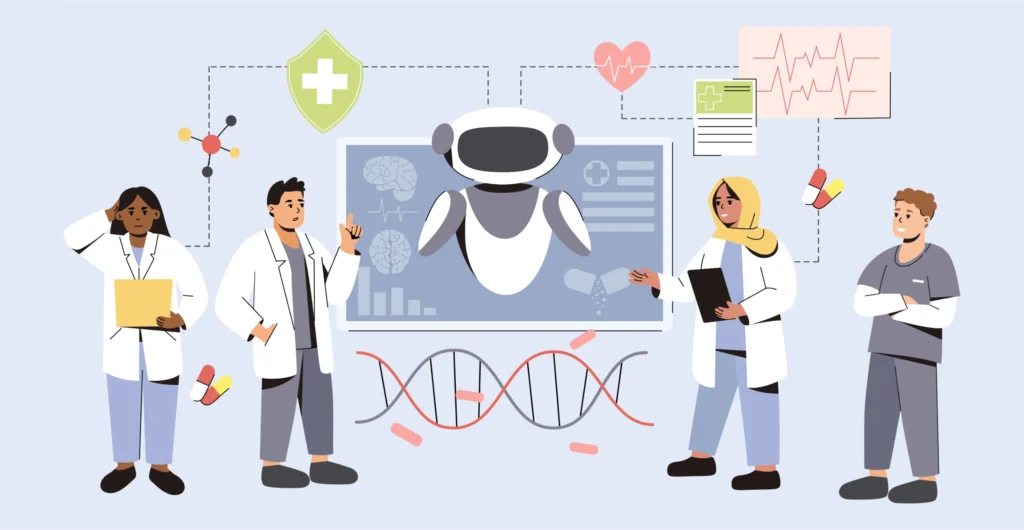
Digital transformation for healthcare through patient portals reduces phone calls to medical offices. Furthermore, patients can request prescription refills and pay bills online conveniently. The self-service approach benefits both patients and administrative staff.
Successful portal implementation requires clear communication and patient education. Nevertheless, adoption rates climb steadily as people recognize the benefits. Mobile-friendly interfaces make portals even more accessible.
4- Artificial Intelligence in Medical Diagnosis
Artificial Intelligence (AI) is transforming diagnostic capabilities in healthcare settings. Machine learning algorithms analyze medical images with remarkable accuracy. Therefore, radiologists can detect diseases earlier and more reliably.

Digital transformation for healthcare leverages AI for predictive analytics as well. These tools identify patients at risk for specific conditions based on their health data. Subsequently, providers can implement preventive measures proactively.
AI chatbots handle routine patient inquiries efficiently, freeing staff for complex tasks. Moreover, natural language processing helps analyze clinical notes and extract valuable insights. The technology continues evolving rapidly, offering new possibilities regularly.
5- Cloud-Based Systems: Flexibility and Security
Cloud computing enables scalable, cost-effective digital transformation for healthcare. Medical practices avoid large upfront investments in hardware and infrastructure. Instead, they pay subscription fees for services they actually use.

Cloud-based systems offer superior disaster recovery and business continuity capabilities. Additionally, they facilitate remote work arrangements for administrative staff. Security concerns have been addressed through advanced encryption and compliance certifications.
Data accessibility improves dramatically with cloud solutions. Therefore, authorized users can access patient information from any location securely. Updates and maintenance happen automatically without disrupting operations.
6- Automated Scheduling and Appointment Management
Appointment scheduling software streamlines one of healthcare’s most time-consuming tasks. These systems allow patients to book appointments online at their convenience. Consequently, front desk staff can focus on in-person patient needs.
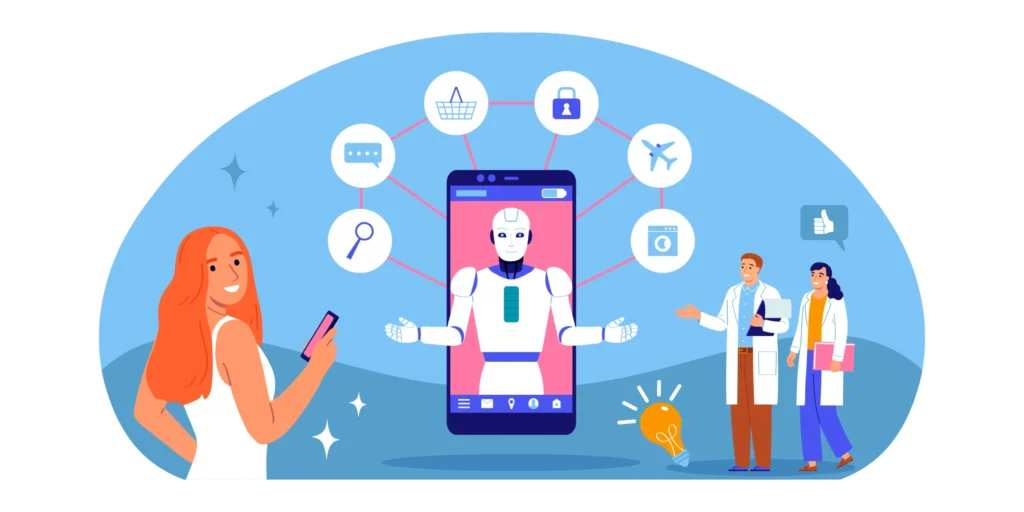
Digital transformation for healthcare through automated scheduling reduces no-shows significantly. Reminder texts and emails keep appointments top of mind for patients. The software can also optimize provider schedules to maximize efficiency.
Integration with other systems ensures seamless information flow. Moreover, real-time availability prevents double-booking and scheduling conflicts. Analytics features help identify patterns and improve resource allocation.
7- Digital Payment Processing
Modern payment solutions simplify billing and collections for medical practices. Patients can pay through multiple channels, including online portals and mobile apps. Therefore, practices receive payments faster and reduce outstanding balances.

Digital transformation for healthcare extends to financial operations as well. Automated billing reduces errors and speeds up claim submissions. Payment plans can be set up easily to accommodate different financial situations.
Transparent pricing information builds trust with patients. Additionally, detailed electronic statements help patients understand their charges clearly. The reduced administrative overhead translates to significant cost savings.
8- Data Analytics and Practice Management
Advanced analytics tools provide actionable insights from healthcare data. Practice managers can identify trends in patient volumes, revenue cycles, and operational efficiency. Subsequently, they make informed decisions to improve performance.

Digital transformation for healthcare requires measuring outcomes and adjusting strategies accordingly. Dashboards display key performance indicators in real-time for quick assessments. Predictive analytics help forecast future needs and plan resources appropriately.
Population health management becomes possible through comprehensive data analysis. Moreover, practices can identify gaps in care delivery and address them systematically. The evidence-based approach leads to better patient outcomes.
Implementing Digital Transformation Successfully
Successful digital transformation for healthcare starts with clear objectives and stakeholder buy-in. Leadership must communicate the vision and benefits to all staff members. Furthermore, adequate training ensures everyone can use new systems effectively.
Change management strategies help overcome resistance and build enthusiasm. Phased implementation allows practices to adapt gradually without overwhelming staff. Additionally, choosing the right technology partners is crucial for long-term success.
Ongoing support and continuous improvement maintain momentum after initial implementation. Therefore, practices should regularly evaluate their digital tools and update them as needed. Patient feedback provides valuable insights for refinement.
Final Words
Digital transformation for healthcare represents an ongoing journey rather than a destination. Medical practices must embrace technology strategically to remain competitive and deliver exceptional care. The benefits extend beyond operational efficiency to improved patient outcomes and satisfaction.
Starting with foundational systems like EHR and building gradually works better than attempting everything simultaneously. Small and medium-sized practices can compete effectively by leveraging cloud-based solutions that don’t require massive investments.
The future of healthcare depends on providers who adapt proactively to technological advances. Therefore, beginning the digital transformation journey today positions practices for long-term success.
FAQs
Q1: How much does digital transformation cost for small medical practices?
Costs vary widely based on the technologies chosen and practice size. However, cloud-based subscription models typically range from $300 to $1,500 monthly per provider. Initial setup and training may require additional investment.
Q2: How long does it take to implement digital transformation?
Basic systems like EHR can take 3-6 months to implement fully. Complete digital transformation is an ongoing process that evolves over 1-3 years as new technologies are adopted.
Q3: Will digital transformation replace healthcare workers?
No, technology augments rather than replaces healthcare professionals. Digital tools handle routine tasks, allowing staff to focus on patient care and complex decision-making.
Q4: Is patient data safe with digital systems?
Modern healthcare technology includes robust security measures like encryption, access controls, and compliance certifications. Cloud providers often offer better security than on-premise systems.
Q5: Can older patients adapt to digital healthcare tools?
Yes, with proper guidance and user-friendly interfaces, patients of all ages successfully adopt digital healthcare tools. Many platforms are specifically designed for ease of use.
Stay connected with us for more insights on healthcare innovation. Have any query? Feel free to reach out, we’re here to help your practice thrive in the digital age!