Data flow tracks how information moves through your business systems, while system reliability ensures continuous operations. Business owners need both to prevent costly downtime. Proper data flow management improves decision-making speed by 40%. System reliability above 99.9% protects revenue and customer trust. Together, they create competitive advantages for growing businesses.
Data Flow and System Reliability Explained
Running a successful business in Austin, Texas requires more than just great products or services. Moreover, business owners need to understand how information moves through their operations. Data flow and system reliability are two critical concepts that can make or break a company’s success.
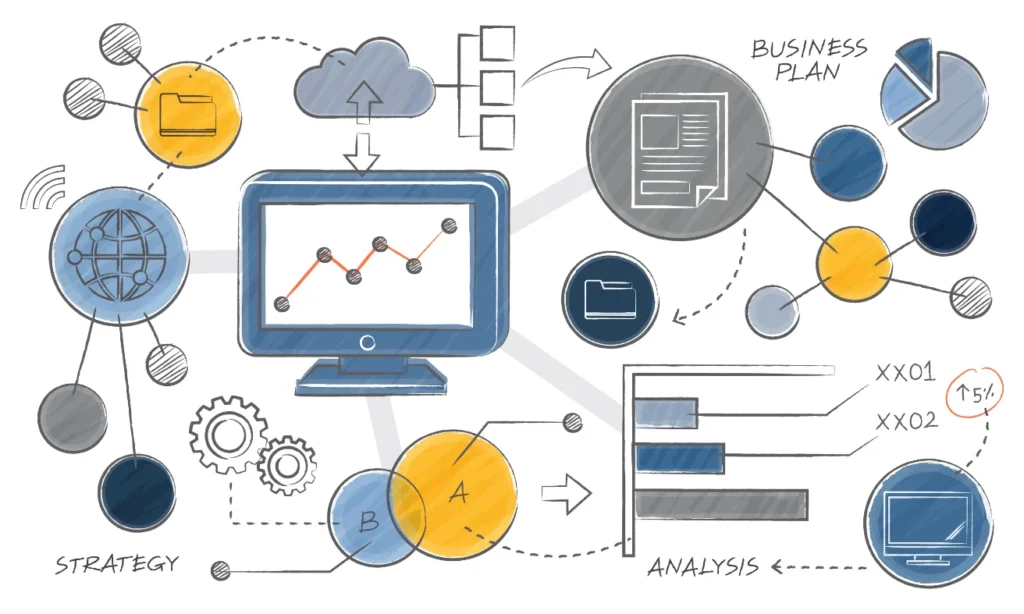
In today’s digital world, data flows through every business process. From customer orders to inventory management, information constantly moves between systems. Similarly, system reliability determines whether these processes run smoothly or crash at critical moments. For small and medium-sized enterprises (SMEs) and local businesses, understanding these concepts is essential for growth and sustainability.
What Is Data Flow in Business Systems?
Data flow represents the path that information takes through a business’s technological infrastructure. Essentially, it shows how data moves from one point to another. For instance, when a customer places an order on a website, data flows from the shopping cart to the payment processor, then to the inventory system, and finally to the shipping department.

Furthermore, understanding data flow helps business owners identify bottlenecks and inefficiencies. When data moves smoothly, operations run faster and more accurately. On the other hand, poor data flow creates delays, errors, and frustrated customers.
Key Components of Data Flow
First, input sources collect information from various touchpoints. These include customer forms, sales transactions, and automated sensors. Next, processing systems analyze and transform this data into useful information. Then, storage solutions keep data safe and accessible. Finally, output destinations deliver information to people or systems that need it.
Additionally, data flow includes the connections between these components. Therefore, business owners must ensure these connections work reliably and securely.
Understanding System Reliability
System reliability measures how consistently business systems perform their intended functions. In other words, it answers the question: “Can I count on my systems to work when I need them?” For Austin-based businesses competing in a fast-paced market, reliability directly impacts customer satisfaction and revenue.

Reliable systems minimize downtime, reduce errors, and maintain consistent performance. Consequently, businesses with high system reliability build stronger reputations and customer loyalty. Meanwhile, unreliable systems lead to lost sales, damaged reputation, and increased operational costs.
Measuring System Reliability
Businesses typically measure reliability using several key metrics. Uptime percentage shows how often systems are available and functioning. For example, 99.9% uptime means systems are down for only about 8.76 hours per year. Similarly, Mean Time Between Failures (MTBF) indicates how long systems run before experiencing problems.
Moreover, Recovery Time Objective (RTO) defines how quickly systems must be restored after failures. This metric is particularly important for businesses that cannot afford extended downtime.
How Data Flow Affects System Reliability
Data flow and system reliability are deeply interconnected. When data flows efficiently, systems experience less stress and perform more reliably. Conversely, poorly designed data flows can overwhelm systems and cause failures.

For instance, imagine a retail store during Black Friday sales. If the point-of-sale system cannot handle the increased data flow, it might crash, preventing sales and frustrating customers. Therefore, businesses must design data flows that match their reliability requirements.
Common Data Flow Problems That Impact Reliability
Bottlenecks occur when too much data tries to pass through a limited connection. As a result, systems slow down or freeze. Data silos prevent information from flowing between departments, creating inconsistencies and errors. Additionally, redundant data wastes storage space and processing power, reducing overall system performance.
Furthermore, insecure data pathways expose businesses to cyberattacks that can compromise system reliability. Thus, security must be built into data flow design from the start.
Building Reliable Data Flow Systems
Creating reliable data flow requires careful planning and ongoing management. First, business owners should map their current data flows. This process reveals how information moves through the organization and identifies potential problems.

Next, businesses need to establish clear data governance policies. These policies define who can access data, how it should be handled, and where it should be stored. Consequently, well-governed data flows are more secure and reliable.
Essential Strategies for Improving Data Flow
Automation reduces human errors and speeds up data processing. For example, automatically updating inventory levels after each sale prevents stock discrepancies. Similarly, standardization ensures data flows consistently across all systems. When everyone uses the same formats and protocols, integration becomes easier.
Moreover, monitoring tools track data flow in real-time, alerting managers to problems before they cause failures. This proactive approach prevents small issues from becoming major disruptions.
Enhancing System Reliability for Austin Businesses
Local businesses in Austin face unique challenges and opportunities. The city’s thriving tech scene provides access to cutting-edge reliability solutions. However, competition is fierce, making reliable systems even more critical.
To enhance reliability, businesses should implement redundancy. This means having backup systems ready to take over if primary systems fail. For instance, cloud-based backups ensure data remains accessible even if local servers crash.
Additionally, regular maintenance prevents unexpected failures. Just like cars need oil changes, business systems require updates, patches, and performance optimization. Therefore, scheduling maintenance during off-peak hours minimizes disruption.
Choosing the Right Technology Partners
Austin’s vibrant business community includes numerous technology providers. When selecting partners, business owners should prioritize those with proven reliability records. Furthermore, local providers understand the specific needs of Austin businesses better than distant vendors.
Professional IT services can monitor systems 24/7, quickly resolving issues before they impact operations. Thus, partnering with experts allows business owners to focus on their core competencies while maintaining reliable systems.
Cost Considerations and ROI
Investing in data flow optimization and system reliability might seem expensive initially. However, the return on investment (ROI) typically justifies the costs. Downtime costs businesses an average of $5,600 per minute, according to industry studies. Therefore, preventing even a few hours of downtime saves thousands of dollars.

Moreover, reliable systems improve employee productivity. When workers don’t waste time dealing with system crashes or slow performance, they accomplish more. This increased efficiency directly impacts profitability.
Budget-Friendly Approaches for SMEs
Small and medium-sized enterprises don’t need enterprise-level budgets to achieve good reliability. Cloud services offer scalable solutions that grow with the business. Additionally, open-source tools provide powerful capabilities without licensing fees.
Starting with critical systems and gradually improving others allows businesses to spread costs over time. Meanwhile, the benefits of improved reliability begin immediately.
Real-World Impact on Austin Businesses
Local Austin businesses have experienced significant benefits from optimizing data flow and improving system reliability. Retail stores report faster checkout times and fewer transaction errors. Consequently, customer satisfaction scores increase, leading to more repeat business.

Service businesses track customer interactions more effectively, providing personalized experiences that build loyalty. Manufacturing operations reduce waste and improve quality control through better data flow. Furthermore, restaurants optimize inventory management, reducing food costs while ensuring menu items remain available.
These improvements contribute to Austin’s reputation as a business-friendly city where companies can thrive.
Future Trends in Data Flow and System Reliability
Technology continues evolving, bringing new opportunities and challenges. Artificial intelligence (AI) is increasingly used to predict and prevent system failures before they occur. Similarly, edge computing processes data closer to its source, improving speed and reliability.
The Internet of Things (IoT) generates massive data flows that businesses must manage effectively. Therefore, investing in scalable infrastructure prepares companies for future growth. Additionally, cybersecurity becomes more critical as data flows increase in complexity and volume.
Business owners who stay informed about these trends can adapt their systems proactively rather than reactively.
Final Words
Data flow and system reliability are fundamental to business success in today’s digital economy. For Austin-based SMEs and local businesses, understanding these concepts provides competitive advantages in a crowded marketplace.

Efficient data flow ensures information reaches the right people at the right time, enabling faster decision-making and better customer service. Meanwhile, reliable systems minimize costly downtime and build customer trust.
Implementing the strategies discussed in this guide helps businesses optimize their operations and prepare for future growth. Whether starting with simple improvements or undertaking comprehensive system overhauls, every step toward better data flow and reliability pays dividends.
Remember, technology investments aren’t expenses they’re essential tools for building sustainable, profitable businesses that serve Austin’s vibrant community effectively.
FAQs
Q1: What is the difference between data flow and system reliability?
Data flow describes how information moves through business systems, while system reliability measures how consistently those systems perform. Both work together to ensure smooth operations.
Q2: How much uptime should my business systems have?
Most businesses should target at least 99.9% uptime, which allows for about 8.76 hours of downtime per year. Critical systems may require even higher reliability.
Q3: Can small businesses afford good system reliability?
Yes, cloud services and scalable solutions make reliable systems accessible to businesses of all sizes. Starting with critical systems and expanding gradually fits most budgets.
Q4: How often should I review my data flow systems?
Quarterly reviews help identify issues early. Additionally, review systems whenever making significant business changes or experiencing growth spurts.
Q5: What causes most system reliability problems?
Poor maintenance, outdated software, inadequate infrastructure, and poorly designed data flows account for most reliability issues. Regular monitoring and updates prevent many problems.
Stay Connected With Us!
Have any queries about optimizing your business systems? Contact our team of experts who understand the unique challenges facing Austin businesses. We’re here to help you build reliable, efficient systems that support your growth goals.
Reach out today for a free consultation and discover how improved data flow and system reliability can transform your operations!