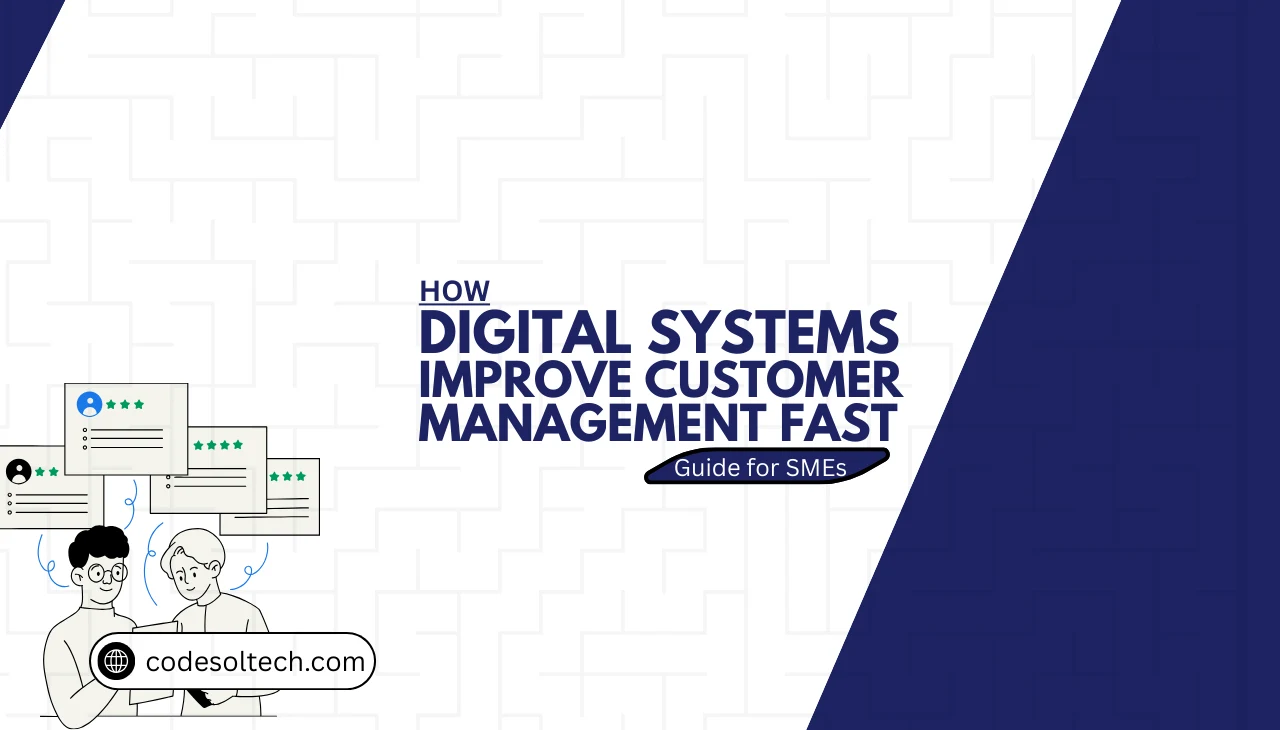
Digital systems improve customer management through automated tracking, centralized data storage, and real-time analytics. These platforms enable businesses to personalize communication, respond faster to inquiries, and predict customer needs.
By integrating CRM software, automation tools, and digital databases, companies can reduce manual errors, increase efficiency by 40%, and boost customer retention significantly.
Customer management can make or break a business. Moreover, in today’s fast-paced digital world, keeping track of customer interactions manually is nearly impossible. Therefore, understanding how digital systems improve customer management has become essential for small and medium-sized enterprises (SMEs) in Austin, Texas.
Digital transformation isn’t just a buzzword anymore. Instead, it’s a practical solution that helps local businesses compete with larger corporations. Consequently, many Austin-based companies are discovering that the right digital tools can revolutionize how they serve their customers.
What Are Digital Customer Management Systems?
Digital customer management systems are software platforms that help businesses organize, track, and analyze customer information. Furthermore, these systems store everything from contact details to purchase history in one central location.
Think of it like having a super-organized filing cabinet that never loses paperwork. However, unlike physical files, digital systems can search through thousands of records in seconds. Additionally, they can remind you about important follow-ups automatically.
Popular examples include Customer Relationship Management (CRM) software, email marketing platforms, and customer service ticketing systems. Meanwhile, many of these tools work together seamlessly to create a complete picture of each customer.
Why Austin SMEs Need Digital Customer Management
Austin’s business landscape is incredibly competitive. Therefore, local companies must work smarter to stand out. Digital systems provide that competitive edge by improving efficiency and customer satisfaction.
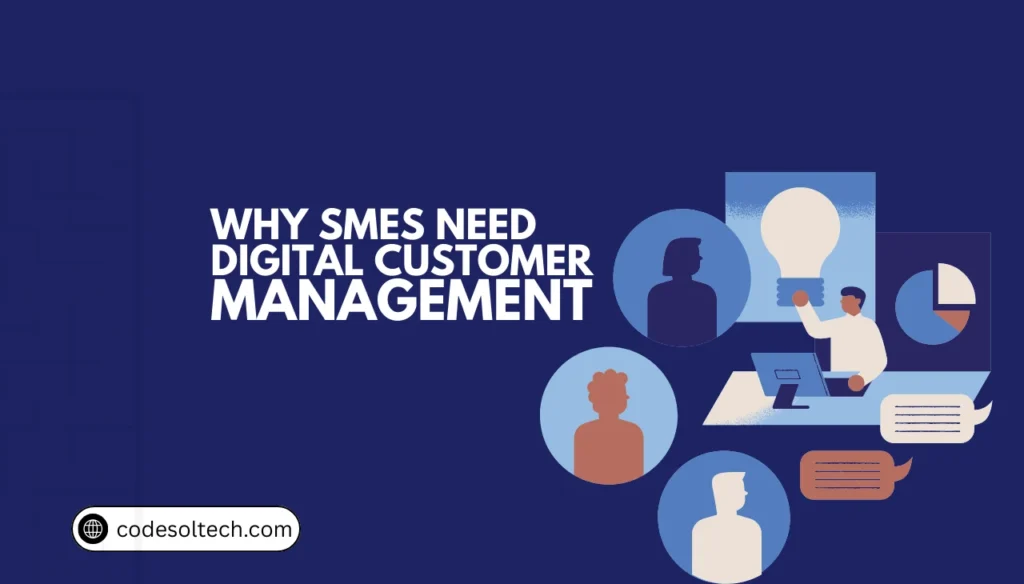
Small businesses often struggle with limited staff and resources. Consequently, manual customer tracking becomes overwhelming as the business grows. Digital solutions solve this problem by automating repetitive tasks.
Moreover, today’s customers expect quick responses and personalized service. Without digital tools, meeting these expectations becomes challenging. In fact, studies show that 73% of customers expect companies to understand their unique needs.
You May Like: Look how Disconnected Systems Create Operational Bottlenecks for SMEs
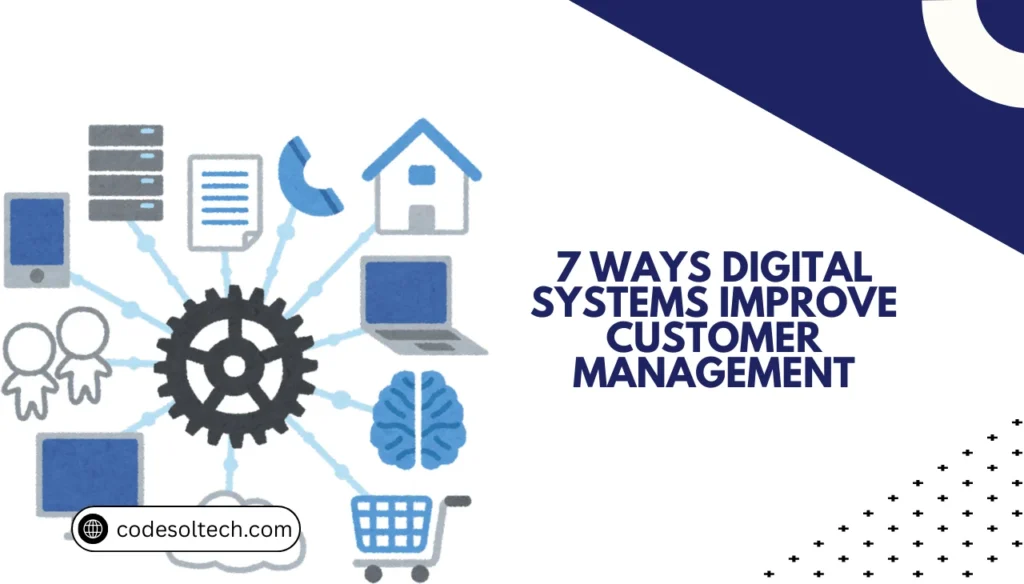
7 Ways Digital Systems Improve Customer Management
1. Centralized Customer Information
Digital systems store all customer data in one accessible location. Instead of searching through emails, spreadsheets, and sticky notes, employees can find everything instantly.
This centralization means everyone on your team sees the same updated information. Furthermore, when a customer calls, any team member can quickly access their history and provide informed assistance.
For example, a local Austin coffee shop uses a digital system to track customer preferences. Therefore, baristas can greet regular customers by name and remember their favorite orders.
2. Automated Communication and Follow-ups
Automation saves countless hours every week. Additionally, it ensures no customer falls through the cracks.
Digital systems can automatically send welcome emails, birthday greetings, and follow-up messages. Moreover, they can schedule reminders for sales teams to contact leads at optimal times.
Consequently, your business maintains consistent communication without manual effort. This regular contact builds stronger relationships and increases customer loyalty.
3. Enhanced Customer Service Response Times
Speed matters in customer service. In fact, 60% of customers expect responses within an hour when reaching out on social media.

Digital ticketing systems organize customer inquiries by priority and urgency. Furthermore, they route questions to the right department automatically. As a result, response times decrease dramatically.
Local Austin businesses using these systems report 50% faster resolution times. Therefore, customers feel valued and are more likely to return.
You May Like: Custom Software vs Off the Shelf Tools: 7 Critical Factors for Small Businesses
4. Personalized Customer Experiences
Modern customers want personalized experiences, not generic interactions. Digital systems make this possible by tracking individual preferences and behaviors.
For instance, these platforms analyze purchase history to suggest relevant products. Additionally, they segment customers into groups based on interests and demographics.
Consequently, your marketing messages become more targeted and effective. Moreover, personalized experiences increase conversion rates by up to 20%.
5. Data-Driven Decision Making
Digital systems provide valuable insights through analytics and reporting. Instead of guessing what customers want, you can see actual data.

These platforms track metrics like customer lifetime value, purchase frequency, and satisfaction scores. Furthermore, they identify trends and patterns that humans might miss.
Therefore, Austin business owners can make informed decisions about inventory, staffing, and marketing strategies. This data-driven approach reduces waste and maximizes profitability.
6. Improved Team Collaboration
When everyone accesses the same customer information, collaboration improves naturally. Digital systems eliminate miscommunication and duplicate efforts.
Team members can leave notes, tag colleagues, and share important updates within the platform. Moreover, managers can monitor performance and provide targeted coaching.
As a result, your entire team works more cohesively toward common customer satisfaction goals. This unity creates a better experience for everyone involved.
You May Like: 6 Hidden Costs of Using Too Many Tools for Small Businesses
7. Scalability for Business Growth
Manual processes break down as businesses expand. However, digital systems scale effortlessly with your growth.
Adding new customers, team members, or locations becomes simple with the right platform. Furthermore, these systems maintain efficiency regardless of business size.
Consequently, Austin SMEs can focus on growth without worrying about operational chaos. The infrastructure supports expansion rather than hindering it.
Choosing the Right Digital System for Your Austin Business
Not all digital systems fit every business. Therefore, consider your specific needs before investing.
Start by identifying your biggest customer management challenges. Additionally, determine your budget and technical capabilities. Many affordable options exist for small businesses with limited IT resources.

Look for systems that integrate with tools you already use. Moreover, prioritize user-friendly interfaces that don’t require extensive training.
Furthermore, consider a local Austin company who understand the regional market. They often provide better support and customization options.
Implementing Digital Systems Successfully
Implementation requires careful planning and execution. However, the effort pays dividends in improved customer relationships.
Begin with a pilot program involving a small team or customer segment. This approach allows you to identify issues before full deployment. Additionally, gather feedback and make adjustments as needed.
Train your staff thoroughly on the new system. Moreover, emphasize how these tools make their jobs easier, not harder. Employee buy-in is crucial for success.
Consequently, take time to migrate existing customer data carefully. Clean, accurate data ensures your system functions optimally from day one.
You May Like: How Custom Software Supports Business Scalability: 7 Proven Ways to Grow
Common Challenges and Solutions
Even great systems face implementation challenges. However, understanding common obstacles helps you prepare.

Some employees resist change and prefer familiar methods. Therefore, demonstrate clear benefits and provide ongoing support during the transition.
Data security concerns are valid and important. Consequently, choose systems with robust security features and compliance certifications.
Integration issues can arise when connecting multiple platforms. Furthermore, working with experienced IT professionals or consultants can smooth this process.
Measuring Success with Digital Customer Management
Track specific metrics to evaluate your digital system’s effectiveness. Customer satisfaction scores provide direct feedback about improvements.
Additionally, monitor response times, retention rates, and sales conversion numbers. These metrics show tangible business impact.
Furthermore, calculate return on investment by comparing costs against increased revenue and efficiency gains. Most businesses see positive ROI within six to twelve months.
The Future of Customer Management in Austin
Digital systems continue evolving with new technologies. Artificial intelligence and machine learning are making platforms even smarter.
Moreover, Austin’s tech-savvy market embraces innovation quickly. Therefore, businesses adopting digital solutions now position themselves advantageously for the future.
Cloud-based systems offer increasing flexibility and accessibility. Consequently, remote work and mobile access become seamless parts of customer management.
Final Words
Understanding how digital systems improve customer management is essential for Austin SMEs competing in today’s marketplace. These platforms centralize information, automate communications, and provide valuable insights that drive business growth. Moreover, they enable personalized experiences that modern customers expect and appreciate.

The transition to digital customer management requires investment and effort. However, the benefits far outweigh the costs through improved efficiency, customer satisfaction, and scalability. Additionally, Austin businesses that embrace these tools gain significant competitive advantages in their local markets.
Start small, choose appropriate systems, and commit to thorough implementation. Consequently, your business will build stronger customer relationships while operating more efficiently. The digital transformation of customer management isn’t optional anymore it’s necessary for sustainable growth and success.
You May Like: 7 Ways Your Website Becomes a Revenue Generating Asset
FAQs
What is a digital customer management system?
A digital customer management system is software that organizes, tracks, and analyzes customer information in one centralized platform. It helps businesses manage interactions, automate communications, and improve service quality.
How much do digital customer management systems cost?
Costs vary widely depending on features and business size. Basic systems start around $12-$25 per user monthly, while comprehensive enterprise solutions can cost several hundred dollars per month.
Can small Austin businesses afford digital customer management systems?
Yes, many affordable and even free options exist specifically designed for small businesses. Moreover, the efficiency gains typically offset costs quickly through increased sales and reduced labor.
How long does it take to implement a digital customer management system?
Implementation typically takes 2-8 weeks depending on system complexity and business size. However, basic systems can be operational within days for small teams.
Do digital systems replace human customer service?
No, digital systems enhance human capabilities rather than replace them. They handle routine tasks automatically, allowing staff to focus on complex customer needs requiring personal attention.
Stay connected with us for more insights on growing your Austin business. Have any query? Feel free to reach out we’re here to help your business thrive in the digital age!