
A digital transformation service provider rebuilds how a business runs, using connected tools in place of scattered manual work.
The goal is simple to state and hard to do well. Customers get faster service, staff spend less time on repeat tasks, and owners see the whole business in one place.
This refresh explains what that work covers, which services matter most, and how to pick a provider without buying tools you do not need.
What digital transformation really means
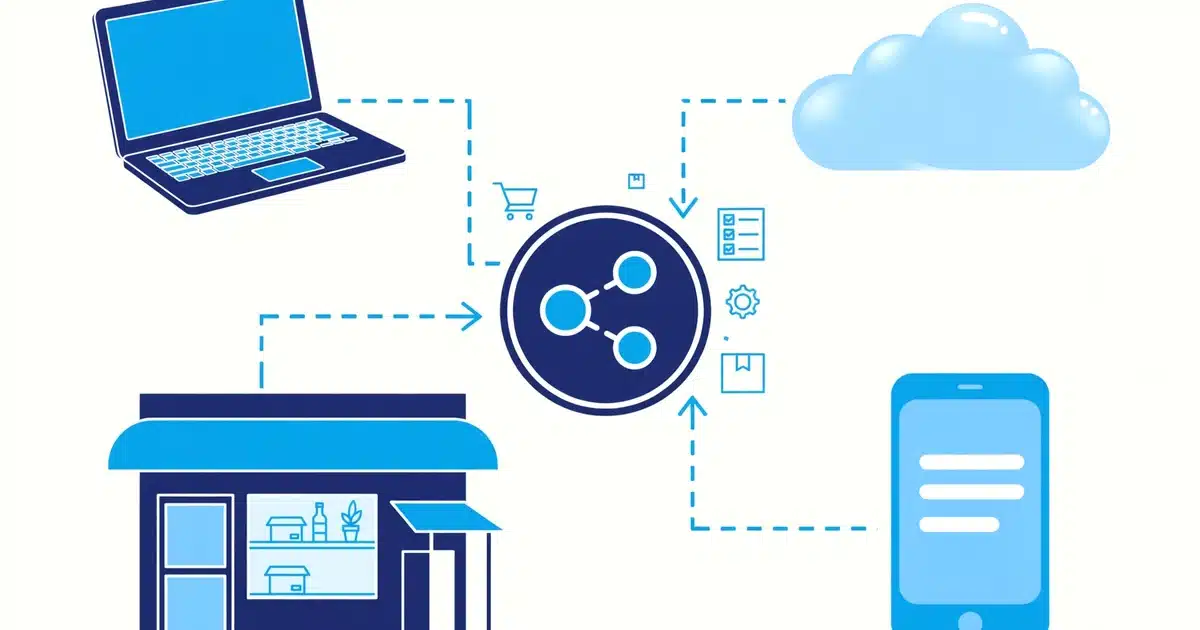
Digital transformation means changing how work gets done, not just buying new software. A shop that still takes orders by phone, tracks stock on paper, and answers the same questions by email has three separate jobs for one sale.
When those jobs connect, one order updates stock, triggers a confirmation, and shows up in the customer record. Staff stop retyping the same detail in three places.
That connection is the whole point. A new website alone does not transform a business. A CRM alone does not either. The change happens when the tools share data and the team trusts what they see.
Small businesses feel this first in daily friction. Missed calls, double bookings, and late invoices are usually system problems, not people problems.
A good provider starts from those friction points. They map the customer journey from first click to repeat purchase, then fix the steps that leak time or money.
The six services that move the needle
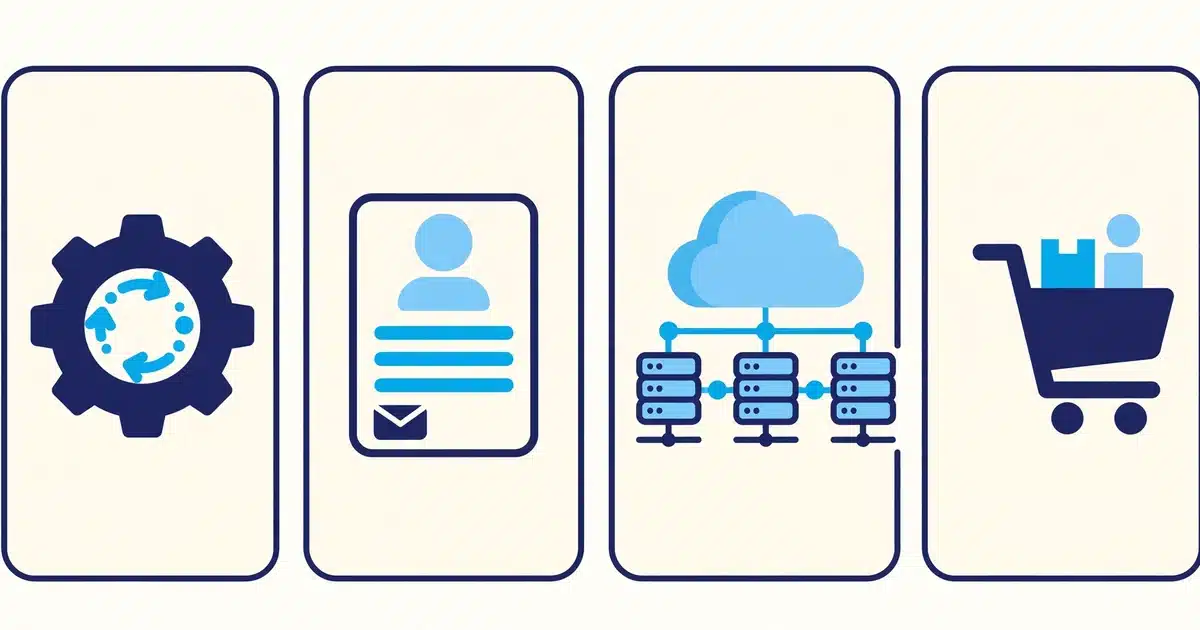
Most transformation work falls into six services. Each one solves a different bottleneck, and together they form one working system.
Business website development
Your website is often the first meeting a customer has with your business. A slow page, a broken form, or a confusing layout ends that meeting early.
Professional business website development service work covers speed, mobile layout, clear calls to action, and search friendly structure. The result is a site that brings in enquiries instead of just sitting online.
- Fast loading on phones and desktops
- Clear contact and booking paths
- Pages built around what customers search for
- Design that matches how the business actually sells
Process and workflow automation
Manual work grows quietly. One spreadsheet becomes five, one approval chain becomes a week of waiting, and skilled staff spend mornings on copy and paste.
With a process and workflow automation service, repeat tasks run on rules instead of reminders. Approvals, follow ups, and status updates happen without chasing.
- Automated follow ups for quotes and leads
- Fewer errors from retyped data
- One clear status for every job
- More hours for work customers actually pay for
Custom CRM and client portals
A CRM is only useful if the team opens it every day. Generic tools often force a business to change how it works, and staff quietly go back to spreadsheets.
A custom CRM and client portal service fits the business instead. Leads, projects, messages, and documents live in one record that clients can also access.
- Every customer conversation in one place
- Leads tracked from enquiry to paid job
- Clients check progress without calling
- Reminders that stop deals going cold
System integration and cloud setup
Disconnected tools are the most common hidden cost in a growing business. Sales uses one system, accounts uses another, and nobody trusts either report.
A system integration and cloud setup service connects those tools so data flows once and appears everywhere it is needed, with secure cloud storage behind it.
- One source of truth for customer and order data
- Secure access from office, site, or home
- Systems that scale as the team grows
- Less time reconciling mismatched reports
E-commerce store development
For businesses that sell online, the store is the sales team. Checkout friction, missing payment options, and unclear delivery detail all cost orders.
A well built store makes buying easy. Product detail is clear, stock is accurate, checkout is short, and order updates reach the customer without staff effort.
- Checkout with fewer steps and fewer drop offs
- Stock levels that update as orders arrive
- Payment and delivery options customers trust
- Repeat purchase paths for returning buyers
Ongoing maintenance and support
Transformation is not a launch date. Plugins age, security threats change, and a site that worked last year can slow down as traffic grows.
Ongoing support keeps the system updated, backed up, and monitored. Small fixes stay small because someone is watching before customers notice.
- Regular updates and security checks
- Backups that can actually restore the site
- Speed checks as content and traffic grow
- One team that already knows the setup
CodeSol Technologies covers these services under one roof in its full range of digital services, so a business does not need five vendors for one system.
Why most transformations stall

The spending figures show how serious this shift is. IDC forecast global digital transformation spending would reach 3.4 trillion dollars in 2026, growing about 16.3 percent a year, according to IDC spending guide coverage of the 2026 forecast.
Yet results lag behind spending. McKinsey found only 16 percent of respondents said their digital transformation improved performance and sustained it, in its McKinsey survey on unlocking success in digital transformations.
BCG reported a similar pattern in 2020, with 70 percent of digital transformations falling short of their objectives. Most of that group still created some value, while 26 percent genuinely flopped, as traced in EltexSoft tracing of digital transformation statistics.
Read together, these studies point to one lesson. Technology rarely fails on its own. Projects fail when goals are vague, staff are not trained, and nobody owns adoption after launch.
Common stall points are easy to spot before they bite. A project with no single owner drifts. A tool nobody was trained on gets ignored. A big launch with no pilot overwhelms the team.
- Goals written as features, not outcomes
- Training treated as an afterthought
- Data moved without cleaning it first
- Success measured by launch, not by usage
A provider earns their fee by preventing these stalls. That means honest scoping, staged rollouts, and training built into the plan, not added at the end.
How to choose the right provider

Choosing a provider is a hiring decision, not a shopping trip. You are trusting a team with daily operations, customer data, and revenue paths.
Start with past work in your kind of business. A provider who has built booking flows for service firms will ask better questions than one who only shows generic portfolios.
Ask who owns the project after launch. If support means a ticket queue and a stranger, small problems will wait. If one team knows the build, fixes arrive faster.
- Ask for live examples, not screenshots alone
- Ask what happens when staff resist the new tool
- Ask who owns data, logins, and hosting
- Ask how success will be measured in 90 days
- Ask what the first small release will be
Price matters, but the cheapest quote often hides the expensive parts. Training, data migration, and support are where weak projects bleed money later.
Watch for red flags too. Vague timelines, no named owner, and promises of instant results usually mean the scope was never worked through properly.
A rollout sequence small teams can follow
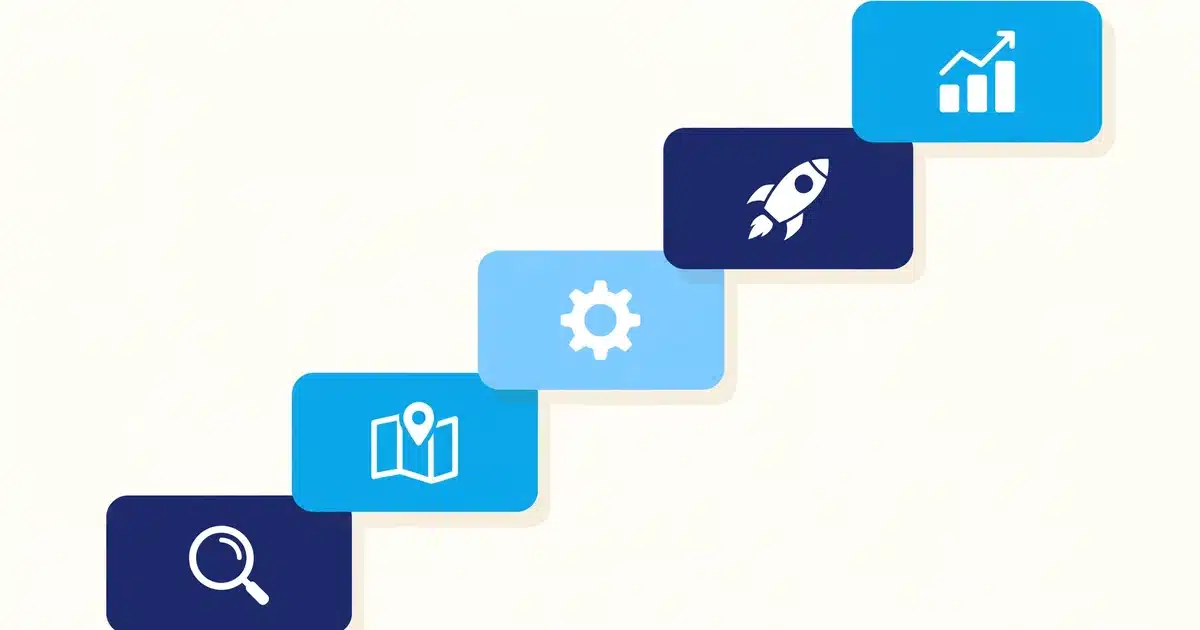
A safe rollout moves in small releases, each one useful on its own. The team learns, the system improves, and the business never stops to rebuild everything at once.
First, audit the current workflow. List every tool, every spreadsheet, and every manual handoff. Rank them by hours lost and revenue risk.
Second, pick one painful process and fix it properly. A booking flow, a quote follow up, or an order update are all good first wins.
Third, connect the data behind that process. Clean the customer list, agree on one status vocabulary, and link the tools that touch it.
Fourth, train the team on the new flow before it goes live. Short sessions with real customer examples beat long manuals nobody reads.
Fifth, measure for 90 days. Track response time, missed follow ups, and repeat purchase rate, then decide the next release from that evidence.
This sequence also protects budget. Each release proves value before the next one is funded, so owners are never asked to trust a promise alone.
Businesses that invest in this order tend to keep their systems. The tools fit the team, the team trusts the data, and growth stops depending on heroic manual effort.
If your business still runs on scattered tools and manual follow ups, the right next step is a conversation about the one process costing you the most time.
Talk to a team that builds systems around your business.