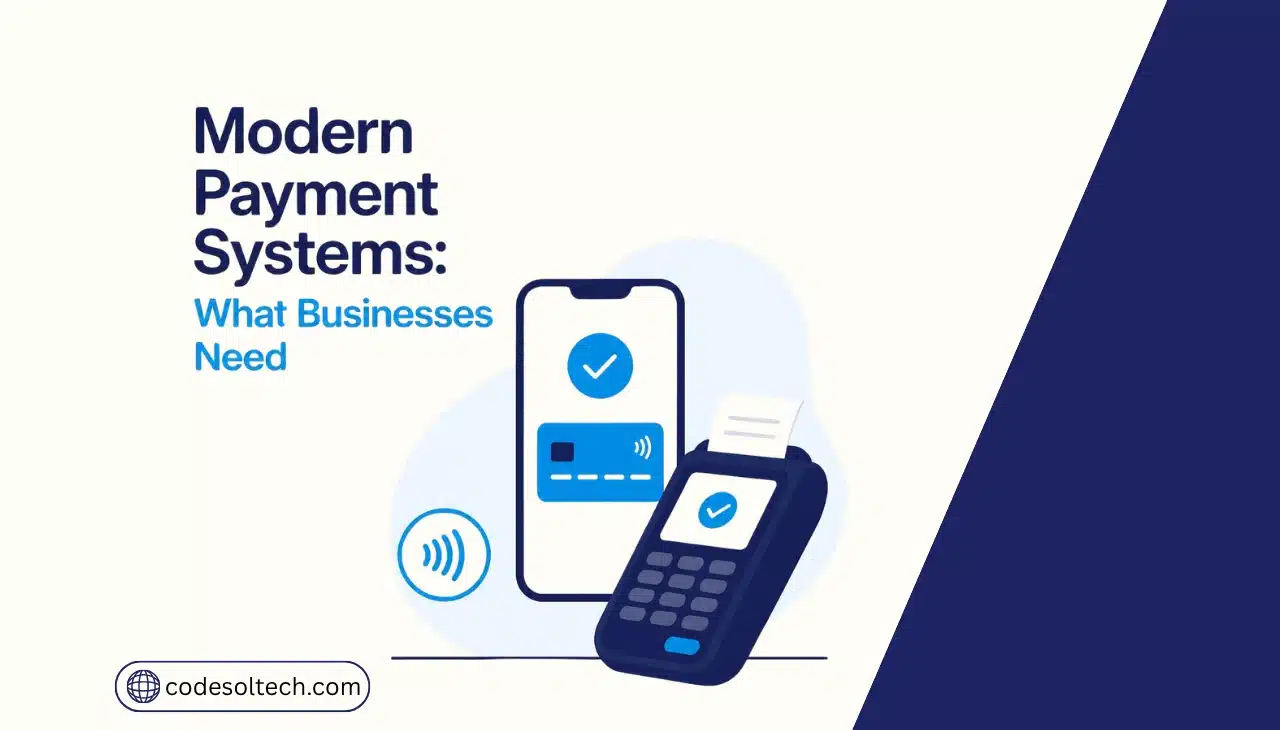
A customer’s final interaction with your business often happens during payment. How smoothly that interaction works can influence their perception of your brand, their likelihood of completing a purchase, and whether they return in the future.
Years ago, a cash register or basic credit card terminal was often enough. Today, businesses need payment infrastructure that does much more than process a transaction. A modern payment system should connect payments with accounting, customer management, inventory, reporting, fraud prevention, and other essential business processes.
With e-commerce and digital transactions becoming standard across industries, payment technology has become a critical part of business operations. The right system can reduce friction, improve security, automate administrative work, and provide valuable data for better decisions.
Industries with fast, continuous transactions need specialized solutions. For example, robust payment processing for online gaming is built to handle thousands of concurrent microtransactions without a hitch. The same goes for high-traffic e-commerce sites or busy retail locations.
A system that can grow with you ensures you’re always ready to make a sale.
Why Payment Systems Have Become Business-Critical
Payment processing is no longer an isolated function at the end of the sales process. It increasingly connects multiple parts of a company’s technology stack.

A successful payment can trigger inventory updates, create an accounting record, update a customer’s CRM profile, send a receipt, and initiate fulfillment. A failed payment may trigger a retry, customer notification, or follow-up workflow.
This makes payment infrastructure important for both customer experience and internal operations. Businesses should therefore evaluate payment systems based on their ability to support the entire transaction lifecycle rather than simply comparing processing fees.
Beyond Basic Transactions
Modern payment systems provide considerably more functionality than simply accepting money. They can provide analytics, automate billing, manage refunds, support multiple payment methods, and connect transactions with other business applications.
Payment data can reveal sales trends, transaction volumes, popular products, customer purchasing behavior, and payment failure patterns. These insights can help businesses improve inventory planning, marketing campaigns, pricing decisions, and customer retention strategies.
For subscription businesses, the payment system can also automate recurring charges, manage different subscription tiers, retry failed payments, and notify customers when their payment information needs attention.
Key Features Businesses Should Look For
The right payment system depends on the business model, but several capabilities have become increasingly important.
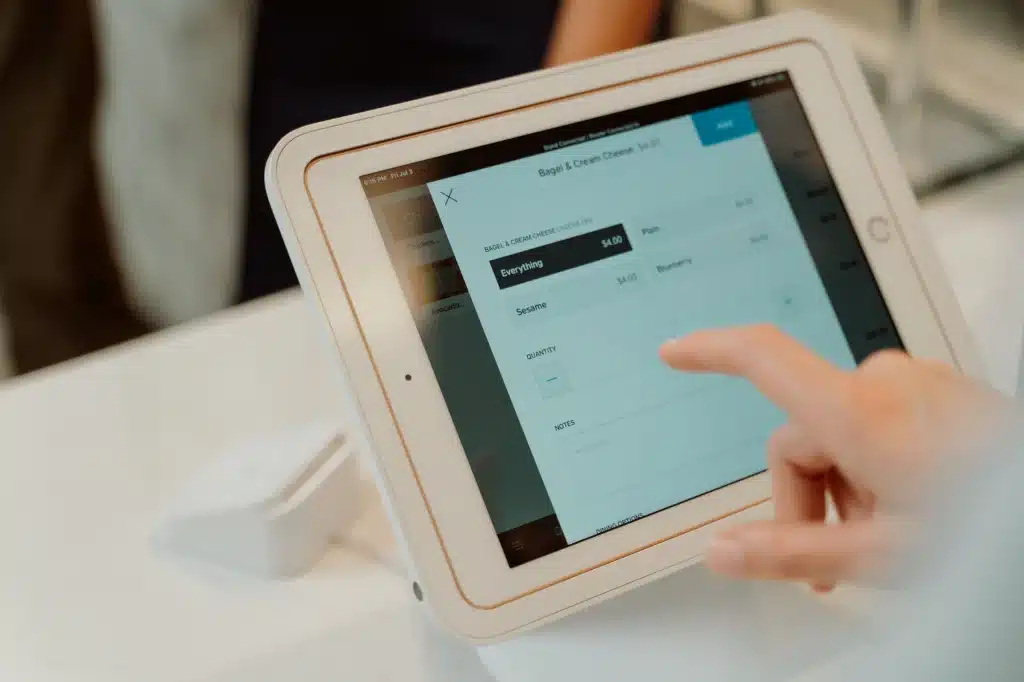
Multiple Payment Methods
Businesses should be able to accept major credit and debit cards alongside digital wallets, bank payments, and other relevant payment methods.
Recurring Billing
Subscription-based businesses need automated recurring billing, payment retries, subscription changes, and cancellation management.
Payment Analytics
Detailed reporting helps businesses understand transaction volume, payment success rates, refunds, chargebacks, and customer payment behavior.
Fraud Prevention
Modern systems should provide tools for identifying suspicious transactions and reducing fraudulent activity before it creates financial losses.
API and Webhook Support
APIs allow payment systems to connect with other software, while webhooks can notify connected applications when events such as successful payments, refunds, or failed transactions occur.
Automated Reconciliation
Payment data should be easy to match with orders, invoices, bank deposits, and accounting records to reduce manual financial work.
Seamless Integration With Business Systems
A payment platform that operates separately from the rest of the business can create unnecessary work. Modern businesses typically rely on multiple applications, so payment infrastructure should integrate with the systems that manage customers, finances, products, and operations.
For example, connecting payments with accounting software can automatically record sales and reduce manual data entry. Integration with inventory management can update stock levels after transactions are completed.
CRM integration can connect payment history with customer profiles. This gives businesses a broader view of the customer relationship, including purchases, subscription status, refunds, and other interactions.
APIs are particularly important when standard integrations are not enough. A business can use payment APIs to build customized workflows within its website, mobile application, customer portal, or internal software.
Webhooks add another layer of automation by allowing connected systems to receive real-time notifications when payment events occur.
Omnichannel Payment Experiences
Customers may interact with a business through multiple channels, including a website, mobile application, physical store, invoice, payment link, or social platform. A modern payment system should support these different customer touchpoints whenever possible.
An omnichannel approach can provide a more consistent payment experience while giving the business a unified view of transactions.
For example, a customer could purchase an item online, receive a payment confirmation by email, and later request a refund through a physical location. If the systems are properly connected, employees can access the relevant transaction without relying on separate records.
Reliability and Scalability
Payment reliability directly affects revenue. A failed transaction can result in a lost sale, frustrated customers, and additional support requests.
Businesses should evaluate payment platforms based on uptime, transaction processing speed, infrastructure resilience, and their ability to handle periods of unusually high demand.
Scalability is equally important. A payment system that works well for 100 transactions per day may not be suitable when a business reaches thousands or tens of thousands of transactions.
Seasonal events, promotional campaigns, product launches, and holiday shopping periods can produce sudden increases in transaction volume. Payment infrastructure should be able to accommodate these spikes without creating unnecessary failures or delays.
Data Security, PCI DSS, and Fraud Prevention
Businesses handling payment information have a responsibility to protect sensitive customer data. The Payment Card Industry Data Security Standard (PCI DSS) provides security requirements for organizations involved in processing, storing, or transmitting payment card information.
However, compliance is only one part of payment security.

Technologies such as point-to-point encryption (P2PE) and tokenization can reduce the exposure of sensitive card information. Tokenization replaces sensitive payment data with a token that can be used by authorized systems without exposing the original card details.
Fraud prevention is another critical consideration. Depending on the business and payment environment, systems may use transaction monitoring, risk scoring, authentication mechanisms, and other controls to identify suspicious activity.
Businesses should also consider chargeback management because fraudulent transactions are not the only source of payment disputes. Customers can dispute transactions for several reasons, creating administrative work and potential revenue loss.
Supporting Diverse Payment Methods
Customers increasingly expect flexibility when paying. Businesses that offer only one or two payment options may create unnecessary friction during checkout.
A modern system can support traditional credit and debit cards alongside digital wallets such as Apple Pay, Google Pay, and Samsung Pay.
Buy Now, Pay Later (BNPL) services can also provide additional flexibility for eligible customers. For international businesses, supporting local payment methods and multiple currencies can be particularly important.
The goal is not to support every possible payment method. Instead, businesses should identify the methods their target customers actually use and make those options easily available.
Recurring Billing and Subscription Payments
Subscription businesses have different payment requirements from companies that primarily process one-time purchases.
A suitable payment system should support recurring charges, multiple billing frequencies, subscription upgrades and downgrades, cancellations, and failed-payment recovery.
Failed payment handling is particularly important. If a customer’s card expires or a transaction is declined, an automated retry process can help recover revenue without requiring employees to manually contact every customer.
More advanced systems can also support prorated charges when customers change plans during a billing period.
These capabilities are useful for SaaS companies, membership organizations, gyms, subscription services, and other businesses with recurring revenue models.
Automated Reconciliation and Financial Accuracy
Payment reconciliation can become difficult when businesses process large numbers of transactions across multiple channels.
A modern payment system can help match transactions with orders, invoices, refunds, fees, and bank deposits. This reduces the amount of manual work required by accounting and finance teams.
Automated reconciliation can also make discrepancies easier to identify. If the payment record does not match an order or expected deposit, the business can investigate the difference before it becomes a larger accounting problem.
This is particularly valuable for businesses operating multiple sales channels or locations.
Payment Analytics and Business Intelligence
Payment data can provide insights that extend beyond revenue totals.
Businesses can monitor metrics such as:
- Transaction volume
- Payment success rate
- Payment failure rate
- Average transaction value
- Refund rate
- Chargeback rate
- Declined transaction rate
- Revenue by payment method
- Recurring revenue
- Customer payment behavior
For example, an unusually high payment failure rate could indicate a checkout problem, payment configuration issue, expired customer cards, or another technical problem.
Analyzing this information helps businesses identify opportunities to improve checkout performance and reduce avoidable revenue loss.
Mobile and Contactless Payments
Mobile and contactless payments have changed how customers expect to complete transactions.
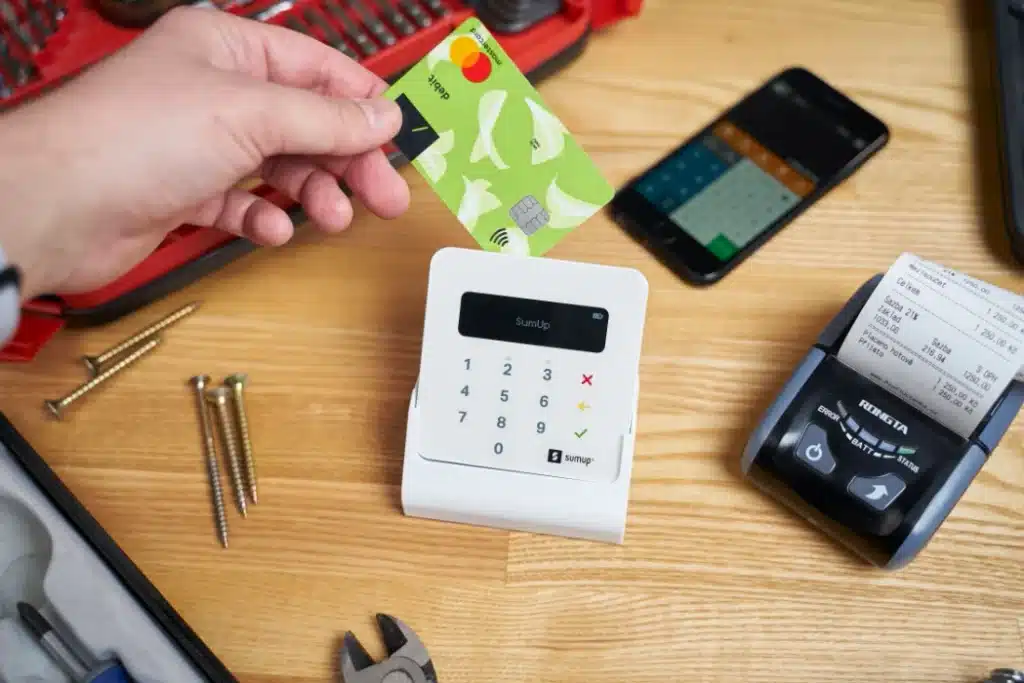
Depending on the business model, payment infrastructure may support NFC/contactless cards, mobile wallets, QR-based payments, payment links, and mobile point-of-sale systems.
For physical businesses, contactless payments can reduce transaction time. For service businesses, mobile payment tools can allow employees to accept payments at the customer’s location.
For online businesses, mobile-optimized checkout is equally important. A payment experience that works well on desktop but creates friction on smartphones can contribute to abandoned purchases.
Global and Cross-Border Payments
Businesses serving international customers need to consider more than simply accepting foreign cards.
Important requirements can include multi-currency support, local payment methods, currency conversion, international transaction fees, and regional payment preferences.
Customers are generally more comfortable when prices and payment methods are presented in familiar formats. Businesses expanding internationally should therefore evaluate whether their payment infrastructure can support the regions they plan to enter.
Cross-border payment capabilities should also be considered alongside tax, accounting, fraud prevention, and compliance requirements.
Understanding Payment Processing Costs
Transaction fees are important, but they should not be the only factor when comparing payment systems.
The total cost of a payment solution can include:
- Transaction processing fees
- Monthly platform fees
- Setup costs
- Chargeback fees
- Refund-related costs
- International transaction fees
- Currency conversion fees
- Hardware costs
- Integration expenses
- Maintenance and support costs
Businesses should evaluate the total cost of ownership rather than choosing a provider based solely on its advertised transaction rate.
A slightly higher processing fee may still make sense if the system reduces administrative work, improves payment success rates, provides stronger integrations, or reduces fraud-related losses.
Designing a Frictionless Checkout
A secure payment system should also be easy for customers to use.
Businesses should minimize unnecessary checkout steps and make payment options clearly visible. Mobile responsiveness, guest checkout, saved payment methods, and clear error messages can all contribute to a smoother experience.
Payment failures should also be handled carefully. Instead of showing a vague message such as “Payment failed,” the system should provide useful guidance where possible.
A frictionless checkout does not mean removing every security control. The objective is to balance convenience with appropriate authentication and fraud protection.
How to Implement a Modern Payment System
Implementing new payment infrastructure requires more than connecting a payment provider to a checkout page.
Step 1: Assess Current Payment Infrastructure
Review existing payment channels, transaction volumes, payment methods, integrations, costs, security controls, and recurring problems.
Step 2: Define Business Requirements
Identify the payment methods, currencies, billing models, integrations, reporting capabilities, and security requirements the business actually needs.
Step 3: Evaluate Payment Providers
Compare providers based on pricing, supported payment methods, reliability, APIs, security capabilities, integrations, scalability, and customer support.
Step 4: Integrate and Test
Test successful payments, failed transactions, refunds, recurring billing, webhooks, fraud controls, and reconciliation workflows before going live.
Step 5: Monitor and Optimize
After implementation, monitor payment success rates, failures, refunds, chargebacks, and customer behavior. Use these insights to improve the payment experience over time.
How to Choose the Right Payment System
There is no single payment system that is ideal for every business.
An e-commerce company may prioritize digital wallets, fraud prevention, international payments, and high-volume transaction processing.
A subscription business may place greater importance on recurring billing, automated payment retries, and subscription management.
A retail business may need point-of-sale capabilities, contactless payments, inventory integration, and multi-location support.
A B2B company may prioritize invoicing, ACH or bank payments, payment links, accounting integration, and automated reconciliation.
The right choice should therefore be based on the company’s business model, transaction volume, customers, technology stack, and future plans.
Payment System Requirements by Business Type
| Business Type | Important Payment Requirements |
|---|---|
| E-commerce | Digital wallets, fraud prevention, multiple payment methods, scalability |
| Subscription/SaaS | Recurring billing, automated retries, subscription management |
| Retail | POS, contactless payments, mobile payments, inventory integration |
| B2B | Invoicing, ACH/bank payments, payment links, reconciliation |
| Multi-location businesses | Centralized reporting, location management, unified payment data |
| International businesses | Multi-currency support, local payment methods, cross-border processing |
Matching payment capabilities to the business model prevents companies from paying for unnecessary functionality while ensuring critical requirements are covered.
These questions help businesses evaluate payment systems based on long-term operational needs rather than short-term pricing alone.
FAQs
What is a modern payment system?
A modern payment system is technology that allows businesses to accept and manage payments while also supporting capabilities such as security, analytics, recurring billing, integrations, refunds, fraud prevention, and multiple payment methods.
Why do businesses need modern payment systems?
Modern payment systems can improve checkout experiences, automate financial workflows, support different payment methods, reduce payment-related risks, and provide transaction data that can help businesses make better decisions.
What payment methods should businesses support?
The right payment methods depend on the target customers and business model. Common options include credit and debit cards, digital wallets, bank payments, contactless payments, and BNPL services.
How do payment systems integrate with accounting software?
Payment systems can use APIs or native integrations to send transaction information to accounting platforms. This can reduce manual data entry and simplify reconciliation.
How can payment systems reduce fraud?
Payment platforms can use transaction monitoring, risk assessment, authentication, tokenization, and other security controls to identify and prevent suspicious transactions.
What is payment tokenization?
Payment tokenization replaces sensitive payment information with a unique token. This can reduce the exposure of actual card data within business systems.
What is PCI DSS compliance?
PCI DSS is a security standard designed to help organizations that process, store, or transmit payment card information maintain appropriate security controls.
Why are APIs important for payment systems?
APIs allow payment functionality to connect with websites, applications, CRMs, accounting systems, ERPs, and other business software. They also enable businesses to create customized payment workflows.
How can businesses reduce payment failures?
Businesses can monitor failed transactions, optimize checkout forms, provide multiple payment methods, use automated retries for recurring payments, and investigate technical or configuration issues affecting transactions.
How much does a payment processing system cost?
Costs vary based on the provider, transaction volume, payment methods, location, business model, hardware, integrations, and other services. Businesses should evaluate the complete cost of ownership rather than focusing on one transaction fee.
Final Words
Choosing a payment system is a strategic technology decision rather than simply a way to accept credit cards.
Modern businesses need payment infrastructure that combines security, reliability, integration, scalability, flexibility, automation, and useful analytics. The right solution should make transactions easier for customers while reducing unnecessary work for employees.
As businesses add sales channels, customers, locations, subscriptions, and international markets, their payment requirements will also evolve.
Selecting infrastructure that can support those changes can help businesses protect revenue, improve customer experiences, and build more efficient operations for the future.
You May Like
Payment Gateway Comparison for Ecommerce: 6 Platforms Compared
Payment Failure Handling Systems for Ecommerce: (2026 Guide)