Custom CRM systems revolutionize small business operations by centralizing customer data, automating workflows, and boosting sales efficiency. Unlike generic solutions, tailored CRMs adapt to unique processes, integrate seamlessly with existing tools, and scale affordably.
Austin-based SMEs gain a competitive advantage & custom CRM benefits through personalized customer experiences, actionable insights, and streamlined operations, driving measurable revenue growth and lasting client relationships.
What a Custom CRM Can Do for Small Businesses
Running a small business in Austin comes with unique challenges. Moreover, managing customer relationships while juggling daily operations can feel overwhelming. However, a custom Customer Relationship Management (CRM) system offers a powerful solution that transforms how local businesses connect with their customers and grow their revenue.
Understanding Custom CRM Systems
A custom CRM is specifically designed software that helps businesses manage interactions with current and potential customers. Furthermore, unlike off-the-shelf solutions, custom CRM systems are tailored to match a company’s exact workflows and needs.
Small and medium-sized enterprises (SMEs) often struggle with generic software that doesn’t fit their processes. Consequently, a personalized CRM becomes an invaluable asset that adapts to the business rather than forcing the business to adapt to the software.
Centralizing Customer Information
One of the most significant custom CRM benefits is centralized data storage. Therefore, all customer information lives in one accessible location.
Previously, businesses kept customer details scattered across spreadsheets, email inboxes, and handwritten notes. This fragmented approach created confusion and missed opportunities. In contrast, a custom CRM consolidates contact information, purchase history, communication records, and preferences into a single dashboard.
Austin businesses serving diverse communities benefit tremendously from this organization. Additionally, team members can access complete customer profiles instantly, ensuring consistent and personalized service.
Automating Repetitive Tasks
Time is money, especially for small business owners. Consequently, automation features in custom CRM systems free up valuable hours each week.
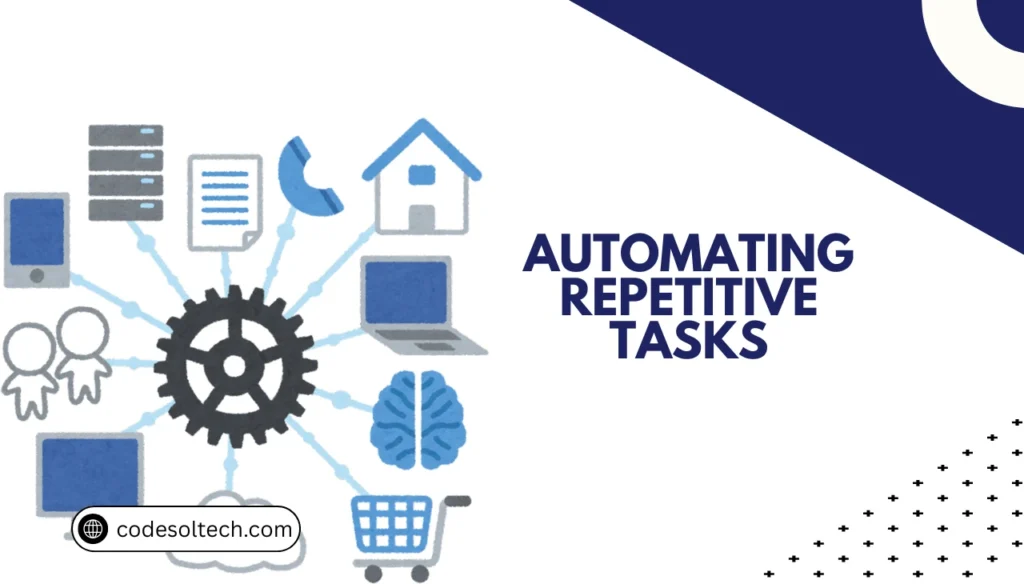
These systems can automatically send follow-up emails, schedule appointments, generate invoices, and create task reminders. Furthermore, automated workflows ensure no customer falls through the cracks during the sales process.
For instance, when a potential customer fills out a contact form, the CRM can automatically assign them to a sales representative, send a welcome email, and schedule a follow-up call. This seamless process happens without manual intervention, allowing staff to focus on building relationships rather than administrative duties.
Improving Sales Performance
Custom CRM solutions directly impact revenue growth through enhanced sales tracking and management. Therefore, businesses gain complete visibility into their sales pipeline.
Sales teams can monitor where each prospect stands in the buying journey. Additionally, managers identify bottlenecks and opportunities through real-time reporting. This insight helps businesses forecast revenue more accurately and allocate resources effectively.
Austin’s competitive market demands efficiency. Consequently, CRM systems help local businesses close deals faster by providing sales teams with the information they need exactly when they need it.
Enhancing Customer Service
Exceptional customer service sets small businesses apart from larger competitors. However, delivering personalized experiences requires comprehensive customer knowledge.

Custom CRM platforms store complete interaction histories, enabling service representatives to understand context immediately. Moreover, customers don’t need to repeat information when switching between team members or communication channels.
This continuity creates memorable experiences that build loyalty. Furthermore, satisfied customers become brand advocates who refer new business, creating sustainable growth for Austin SMEs.
Generating Actionable Insights
Data without analysis provides little value. Fortunately, custom CRM systems transform raw information into actionable business intelligence.
These platforms generate reports on customer behavior patterns, sales trends, marketing campaign effectiveness, and service performance. Additionally, business owners can identify their most profitable customer segments and focus resources accordingly.
For example, an Austin retail business might discover that customers who purchase certain products typically return within three months. Subsequently, targeted marketing campaigns can encourage these repeat purchases, increasing customer lifetime value.
Streamlining Marketing Efforts
Marketing becomes significantly more effective when integrated with CRM data. Therefore, businesses can create highly targeted campaigns based on customer preferences and behaviors.

Email marketing campaigns can be segmented by purchase history, location, or engagement level. Moreover, tracking which campaigns generate the best responses helps optimize marketing budgets.
Local Austin businesses particularly benefit from location-based marketing features. Additionally, understanding neighborhood-specific preferences allows for personalized community engagement.
Integrating with Existing Tools
Small businesses typically use multiple software applications for accounting, email marketing, e-commerce, and project management. Consequently, disconnected systems create inefficiencies.
Custom CRM solutions integrate seamlessly with existing business tools. Furthermore, this connectivity eliminates duplicate data entry and ensures information consistency across platforms.
For instance, when a sale processes through an e-commerce platforms, the CRM automatically updates customer records and triggers fulfillment workflows. This integration saves time and reduces errors.
Scaling with Business Growth
Generic software often becomes inadequate as businesses expand. However, custom CRM systems grow alongside the organization.
Initially, a small Austin business might need basic contact management and sales tracking. Subsequently, as the team grows, additional features like advanced reporting, territory management, and customer portals can be incorporated.
This scalability protects the initial investment. Moreover, businesses avoid the costly and disruptive process of switching systems during critical growth phases.
Ensuring Data Security and Compliance
Customer data protection is both an ethical responsibility and legal requirement. Therefore, custom CRM systems can incorporate specific security measures appropriate to the business and industry.

These platforms can include role-based access controls, encryption, and audit trails. Additionally, compliance features help businesses adhere to regulations relevant to their sector.
Austin businesses handling sensitive customer information particularly benefit from customizable security features that match their exact requirements.
Improving Team Collaboration
Effective teamwork drives small business success. Consequently, custom CRM platforms facilitate communication and coordination across departments.
Shared customer records ensure everyone has current information. Furthermore, internal messaging, task assignments, and activity tracking keep teams aligned on customer initiatives.
For example, when a sales representative promises a customer a specific delivery date, the operations team receives immediate notification through the CRM. This coordination prevents miscommunication and enhances customer satisfaction.
Reducing Operational Costs
While custom CRM development requires an initial investment, the long-term cost savings prove substantial. Therefore, many Austin SMEs discover significant returns on their CRM investment.

Automation reduces labor costs for routine tasks. Additionally, improved efficiency means businesses can serve more customers without proportionally increasing staff. Better customer retention reduces the cost of customer acquisition.
Moreover, eliminating redundant software subscriptions through integrated systems reduces monthly technology expenses.
Creating Competitive Advantages
In Austin’s dynamic business environment, differentiation matters. However, custom CRM systems provide capabilities that generic solutions cannot match.
Tailored workflows support unique business processes that define company culture and customer experience. Furthermore, specialized features address industry-specific challenges that off-the-shelf software ignores.
This customization becomes a competitive moat that’s difficult for competitors to replicate. Additionally, the deep customer insights generated create opportunities for innovation and market leadership.
Final Words
Custom CRM systems represent transformative investments for small businesses in Austin. These platforms centralize customer information, automate workflows, enhance sales performance, and generate valuable insights. Moreover, they scale with business growth while integrating seamlessly with existing tools.

For SMEs competing in Austin’s vibrant economy, custom CRM solutions provide the foundation for sustainable growth and exceptional customer experiences. The ability to personalize every customer interaction while maintaining operational efficiency creates lasting competitive advantages.
Furthermore, as customer expectations continue rising, businesses equipped with tailored CRM systems will consistently outperform those relying on generic solutions or fragmented approaches. Investing in a custom CRM isn’t just about technology, it’s about building meaningful relationships that drive long-term business success.
FAQs
Q: How much does a custom CRM cost for small businesses?
A: Custom CRM costs vary based on features and complexity, typically ranging from $5,000 to $50,000 for initial development. However, monthly maintenance and hosting usually cost $100-$500. Many Austin-based development firms offer scalable options tailored to small business budgets.
Q: How long does it take to implement a custom CRM?
A: Implementation timelines typically range from 2-6 months depending on complexity. Furthermore, this includes requirements gathering, development, testing, and team training. Phased rollouts can reduce initial timeframes.
Q: Can custom CRM integrate with QuickBooks and other accounting software?
A: Yes, custom CRM systems can integrate with QuickBooks, Xero, and most popular accounting platforms. Additionally, these integrations synchronize customer data, invoices, and payment information automatically.
Q: What’s the difference between custom CRM and platforms like Salesforce?
A: Custom CRM systems are built specifically for your business processes and requirements. In contrast, platforms like Salesforce offer configurable templates that may require your business to adapt. Custom solutions provide perfect fit but require development investment.
Q: Do I need technical staff to manage a custom CRM?
A: Not necessarily. Most custom CRM systems include user-friendly interfaces designed for non-technical users. However, having a technology partner for maintenance, updates, and support is recommended.
Stay connected with us for more insights on growing your Austin business! Have any query? Reach out to our team we’re here to help your SME thrive with the right technology solutions.