Software development plays a pivotal role in digital transformation by creating custom applications, automating processes, and enabling data-driven decisions. Consequently, businesses modernizing operations rely on agile development methodologies to build scalable solutions.
Moreover, cloud-native applications, API integrations, and mobile platforms accelerate innovation. Therefore, companies investing in strategic software development achieve 3x faster transformation outcomes compared to those using outdated legacy systems alone.
The Role of Software Development in Digital Transformation
Digital transformation has become essential for businesses across Austin, Texas, and beyond. Companies everywhere are modernizing their operations to stay competitive. However, many business owners wonder what truly drives successful transformation.
The answer lies in strategic software development. In fact, software development serves as the backbone of any meaningful digital change. Small and medium-sized enterprises in Austin face unique challenges. Therefore, understanding how custom software solutions enable transformation becomes critical.
This article explores the vital role software development plays in helping local businesses thrive in today’s digital landscape.
Understanding Digital Transformation Fundamentals
Digital transformation means more than just adopting new technology. Instead, it represents a complete shift in how businesses operate and deliver value. Companies must rethink their processes, culture, and customer experiences. Consequently, software development becomes the tool that makes these changes possible.

Many Austin-based businesses initially feel overwhelmed by transformation. Nevertheless, breaking the process into manageable steps makes it achievable. Software developers create customized solutions that address specific business needs. Moreover, these solutions integrate seamlessly with existing workflows.
Why Software Development Matters for Transformation
Traditional business operations often rely on manual processes and outdated systems. However, modern customers expect fast, digital-first experiences. Therefore, companies must bridge this gap through strategic software investments. Custom applications automate repetitive tasks, freeing employees for higher-value work.

Furthermore, software development enables businesses to collect and analyze data effectively. Business intelligence tools built through development efforts provide actionable insights. Subsequently, decision-makers can respond quickly to market changes. This agility proves especially valuable for smaller enterprises competing against larger corporations.
Also Explore: What Is Custom Software Development & When SMEs Need It?
Custom Applications Drive Business Innovation
Off-the-shelf software rarely meets every business requirement perfectly. Meanwhile, custom applications address specific pain points unique to each organization. Austin companies working with local developers gain solutions tailored to their exact needs. These applications streamline operations while supporting long-term growth strategies.
For instance, a local retail business might need inventory management integrated with e-commerce platforms. Similarly, a service provider could require customer relationship management tools with appointment scheduling. Custom software development delivers these capabilities without unnecessary features that complicate workflows.
Cloud-Native Solutions Enable Scalability
Cloud computing has revolutionized how businesses approach software infrastructure. Consequently, cloud-native applications offer flexibility that traditional systems cannot match. These solutions scale up or down based on demand, optimizing costs.
Additionally, employees access cloud applications from anywhere, supporting remote work arrangements. Software developers building cloud-native solutions use modern architectures and methodologies. Microservices, containerization, and serverless computing enhance reliability.
Moreover, cloud platforms provide built-in security features that protect sensitive business data. This approach proves particularly beneficial for growing Austin SMEs.
API Integration Connects Business Systems
Modern businesses use multiple software tools for different functions. However, disconnected systems create information silos that hinder efficiency. Therefore, API integration through strategic development connects these disparate platforms. Data flows seamlessly between accounting, marketing, sales, and operations systems.
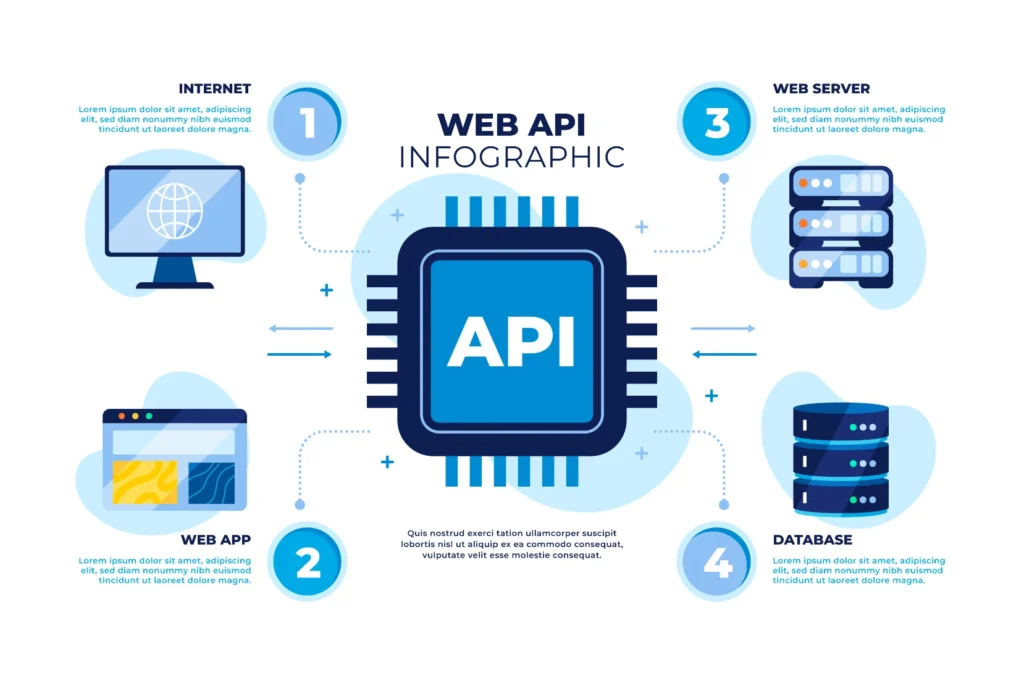
For example, integrating payment processors with accounting software eliminates manual data entry. Similarly, connecting CRM systems with email marketing platforms personalizes customer communications. These integrations reduce errors while improving operational speed. Consequently, businesses operate more cohesively.
Mobile Applications Reach Customers Everywhere
Mobile devices have become primary computing tools for most consumers. Therefore, businesses need mobile strategies to remain relevant. Software development teams create mobile applications that extend brand presence. These apps provide convenient access to products, services, and support.

Austin businesses benefit from mobile apps that engage local customers effectively. Location-based features, push notifications, and mobile payments enhance user experiences. Furthermore, mobile applications generate valuable usage data. This information helps businesses understand customer preferences and behaviors better.
Also Explore: Look how Disconnected Systems Create Operational Bottlenecks for SMEs
Agile Development Accelerates Time-to-Market
Traditional software development followed rigid, lengthy timelines. However, agile methodologies have transformed this approach completely. Agile development delivers working software incrementally through short sprints. Consequently, businesses see results faster and can adjust priorities as needed.
This flexibility proves essential during digital transformation initiatives. Companies can test features with real users before full deployment. Feedback loops ensure the final product truly meets business requirements. Moreover, agile practices reduce development costs by preventing expensive late-stage changes.
Data Analytics Empower Better Decisions
Software development enables sophisticated data collection and analysis capabilities. Business intelligence dashboards visualize key performance indicators clearly. Therefore, managers identify trends, opportunities, and problems quickly. Data-driven decision-making replaces guesswork with concrete evidence.
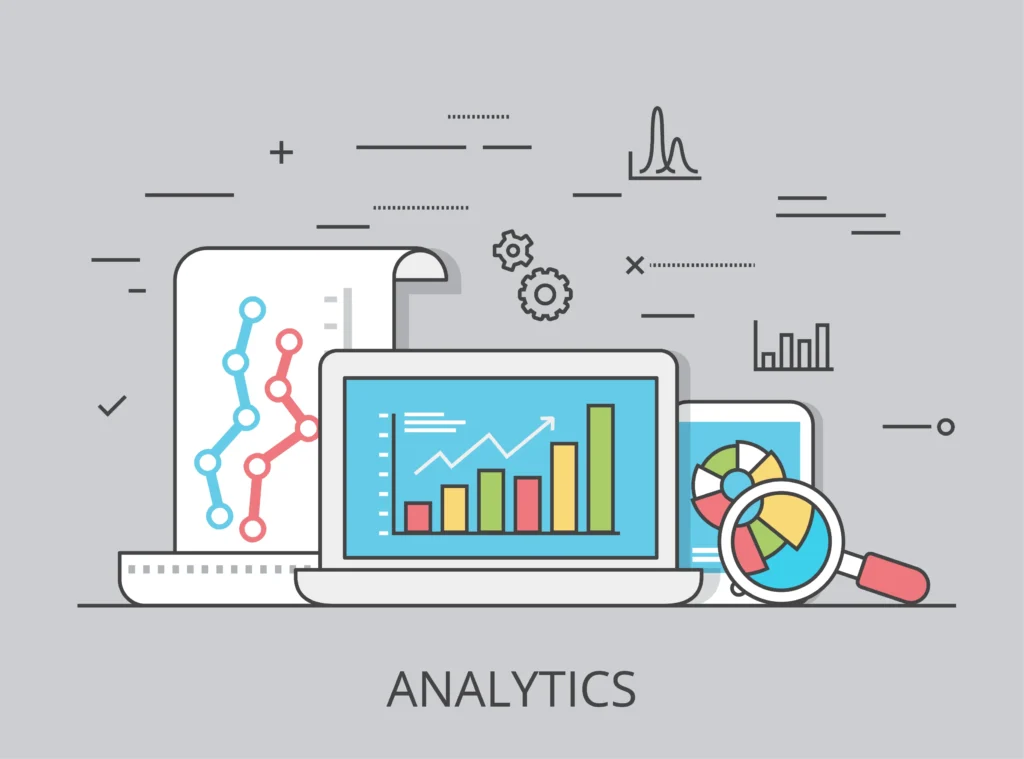
For instance, analytics might reveal which products generate highest margins. Similarly, customer behavior data shows which marketing channels perform best. Austin businesses leveraging these insights optimize operations and allocate resources effectively. Consequently, they achieve better returns on their investments.
Automation Reduces Operational Costs
Manual processes consume significant time and resources. However, software automation handles repetitive tasks efficiently and accurately. Invoice processing, report generation, and customer onboarding become streamlined. Therefore, businesses reduce labor costs while improving consistency.
Furthermore, automation minimizes human errors that cause costly problems. Automated quality checks catch issues before they affect customers. Notification systems alert teams immediately when attention becomes necessary. This reliability builds customer trust and protects business reputations.
Security Considerations in Modern Development
Digital transformation introduces new security challenges that businesses must address. Nevertheless, secure software development practices protect sensitive information effectively. Developers implement encryption, authentication, and authorization measures throughout applications. Regular security testing identifies vulnerabilities before hackers exploit them.
Austin businesses handling customer data must comply with privacy regulations. Software developers build compliance features directly into applications. Audit trails, data retention policies, and access controls ensure regulatory adherence. Consequently, businesses avoid costly fines and reputation damage.
Also Explore: 5 Ways Business Websites Fit Into Digital Transformation
Choosing the Right Development Partner
Successful digital transformation requires experienced development partners. Austin offers numerous software development firms serving local businesses. However, selecting the right partner demands careful evaluation. Companies should assess technical expertise, industry experience, and communication capabilities.
Moreover, cultural fit between business and development teams matters significantly. Partners who understand local market conditions provide better solutions. References from similar businesses offer valuable insights into working relationships. Therefore, thorough vetting prevents costly mistakes and project delays.
Measuring Transformation Success
Businesses must track metrics that demonstrate transformation value. Key performance indicators should align with strategic objectives. Common metrics include process efficiency gains, cost reductions, and customer satisfaction improvements. Additionally, revenue growth and market share changes indicate transformation success.

Software development teams build analytics capabilities that monitor these metrics continuously. Dashboard visualizations make progress transparent across organizations. Consequently, stakeholders see transformation benefits clearly. This visibility maintains support and funding for ongoing initiatives.
Future-Proofing Through Continuous Innovation
Digital transformation never truly ends. Instead, successful businesses embrace continuous improvement cultures. Technology evolves rapidly, creating new opportunities constantly. Therefore, software development must remain flexible and forward-thinking.
Emerging technologies like artificial intelligence and machine learning offer new capabilities. Internet of Things devices generate unprecedented data volumes. Blockchain technology enables new trust models for transactions. Austin businesses working with innovative developers gain competitive advantages through early adoption.
Final Words
Software development stands as the cornerstone of successful digital transformation for Austin’s small and medium-sized businesses. Throughout this journey, custom applications, cloud solutions, and strategic integrations enable companies to modernize operations effectively.

Moreover, agile methodologies and data-driven approaches ensure transformation efforts deliver measurable value. Local businesses investing in quality software development position themselves for sustainable growth.
The digital landscape continues evolving, making ongoing development essential. Therefore, partnering with experienced developers creates competitive advantages that drive long-term success in increasingly digital markets.
Also Explore: 6 Hidden Costs of Using Too Many Tools for Small Businesses
FAQs
What is digital transformation in business? Digital transformation involves reimagining business operations through technology adoption. It encompasses process automation, data analytics, customer experience improvements, and organizational culture changes. Consequently, businesses become more efficient, responsive, and competitive.
How much does custom software development cost? Custom software development costs vary based on project complexity and features. Simple applications might start around $25,000, while comprehensive enterprise solutions exceed $100,000. However, Austin businesses find costs justified through operational improvements and competitive advantages gained.
How long does digital transformation take? Digital transformation timelines depend on organization size and scope. Small businesses might achieve initial transformation within 6-12 months. Nevertheless, transformation represents ongoing processes rather than one-time projects. Continuous improvement ensures businesses stay current with technology advances.
Do small businesses need custom software? Small businesses benefit significantly from custom software when off-the-shelf solutions don’t fit needs. Custom applications address specific workflows and integrate with existing systems. Therefore, investment often pays for itself through improved efficiency and growth opportunities.
What technologies drive digital transformation? Key technologies include cloud computing, mobile applications, artificial intelligence, and data analytics platforms. Additionally, API integrations, automation tools, and cybersecurity solutions play vital roles. Software developers combine these technologies strategically for maximum business impact.
Stay connected with us! Have any query? Reach out to discuss how software development can accelerate your digital transformation journey. Our Austin-based team specializes in helping local SMEs modernize operations and achieve growth objectives through strategic technology solutions.