Local businesses leverage digital transformation through cloud-based systems, AI-powered customer service, mobile-first strategies, and data analytics. Moreover, they adopt automation tools, cybersecurity measures, and omnichannel marketing. Additionally, these companies implement remote work technologies and digital payment solutions.
Consequently, they experience increased efficiency, better customer experiences, and competitive advantages in their markets.
Why Digital Transformation Matters for Local Businesses
Local businesses face unique challenges in today’s market. Therefore, embracing digital transformation has become crucial for survival and growth. Additionally, customers now expect seamless digital experiences whether they’re shopping online or visiting physical stores.
The competitive landscape has changed dramatically. Consequently, businesses that fail to adapt risk falling behind their more tech-savvy competitors. Meanwhile, companies that embrace digital transformation enjoy significant advantages, including increased efficiency, better customer insights, and improved profit margins.
According to recent studies, businesses that implement digital transformation strategies see an average productivity increase of 40%. Furthermore, these companies report higher customer satisfaction rates and better employee engagement. In other words, digital transformation delivers measurable results that directly impact the bottom line.
9 Game Changing Ways Austin Businesses Getting Transformation
How Austin businesses are using digital transformation is revolutionizing the way local companies operate, compete, and serve their customers. In fact, digital transformation has become essential for small and medium enterprises (SMEs) looking to thrive in today’s fast-paced business environment.

Furthermore, the shift toward digital technologies is helping local companies reduce costs, improve efficiency, and create better customer experiences.
1- Cloud Based Systems
How Austin businesses are using digital transformation starts with cloud technology. Cloud-based systems allow companies to access their data and applications from anywhere. Therefore, employees can work remotely while maintaining full productivity.

Cloud solutions offer several key benefits for SMEs. First, they reduce IT infrastructure costs significantly. Second, they provide scalability that grows with your business. Third, they enable better collaboration among team members.
Additionally, cloud systems offer automatic updates and enhanced security features. Many local companies have moved their accounting, customer relationship management (CRM), and project management tools to the cloud.
As a result, they experience improved efficiency and reduced overhead costs. Moreover, cloud-based solutions like Google Workspace, Microsoft 365, and QuickBooks Online have become essential business tools.
2- Artificial Intelligence and Customer Service
Artificial intelligence (AI) is transforming how businesses interact with customers. Consequently, many local companies now use AI-powered chatbots to handle customer inquiries 24/7. These chatbots can answer common questions, schedule appointments, and direct customers to the right resources.
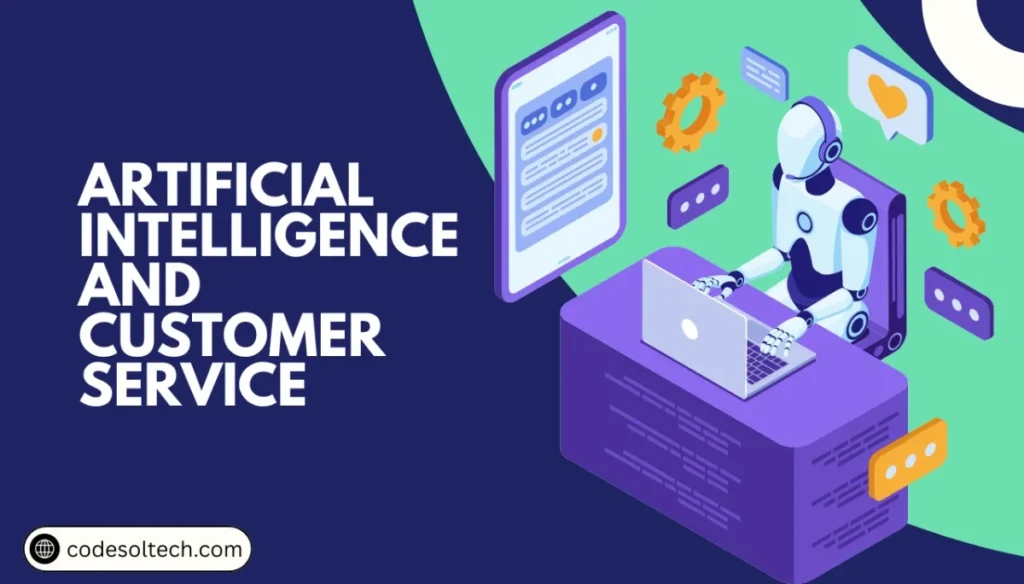
AI tools help businesses provide faster, more personalized service. Furthermore, they free up human employees to handle more complex customer needs. Therefore, companies can deliver better service while reducing staffing costs.
Beyond chatbots, AI helps businesses analyze customer behavior and preferences. In addition, predictive analytics tools can forecast trends and help companies make better decisions. For instance, restaurants use AI to predict busy periods and optimize staffing levels.
3- Mobile-First Strategies for Today’s Consumers
Mobile devices have become the primary way people access the internet. Therefore, businesses must prioritize mobile experiences in their digital transformation efforts. Moreover, a mobile-first approach ensures customers can easily interact with your business anytime, anywhere.

Local businesses are implementing mobile-optimized websites, apps, and payment systems. Additionally, they’re using mobile marketing strategies like SMS notifications and location-based promotions. As a result, they’re reaching customers more effectively and driving more sales.
Mobile apps allow businesses to build stronger customer relationships through loyalty programs, push notifications, and personalized offers. Furthermore, mobile payment solutions like Apple Pay and Google Pay make transactions faster and more convenient for customers.
4- Data Analytics: Making Smarter Business Decisions
How Austin businesses are using digital transformation includes leveraging data analytics to gain valuable insights. Data-driven decision-making helps companies understand their customers better and optimize their operations.
Analytics tools track customer behavior, sales patterns, and marketing effectiveness. Therefore, business owners can identify what works and what doesn’t. Additionally, this information helps companies allocate resources more efficiently and improve their strategies.
For example, retail stores use analytics to determine which products sell best at different times. Similarly, service businesses analyze customer data to identify their most profitable services. Consequently, they can focus their efforts on high-value activities.
5- Automation Tools: Working Smarter, Not Harder
Automation is a critical component of digital transformation. By automating repetitive tasks, businesses save time and reduce errors. Moreover, automation allows employees to focus on more valuable, creative work.

Local businesses are automating various processes including email marketing, social media posting, inventory management, and invoicing. Therefore, they operate more efficiently with fewer resources. Additionally, automation tools ensure consistency and reliability in business operations.
Marketing automation platforms help businesses nurture leads and maintain customer relationships. Furthermore, automated workflows streamline operations from order processing to customer follow-up. As a result, companies can scale their operations without proportionally increasing their workforce.
6- Cybersecurity: Protecting Your Digital Assets
As businesses become more digital, cybersecurity becomes increasingly important. Therefore, protecting customer data and business information is a top priority. Additionally, cyberattacks can devastate small businesses that aren’t properly protected.
Local companies are implementing multi-factor authentication, regular security updates, and employee training programs. Moreover, they’re using cloud-based security solutions that provide enterprise-level protection at affordable prices. Consequently, they reduce their risk of data breaches and cyberattacks.
Cybersecurity measures also build customer trust. When customers know their information is safe, they’re more likely to do business with you. Furthermore, many industries have compliance requirements that mandate specific security measures.
7- Omnichannel Marketing: Meeting Customers Everywhere
How Austin businesses are using digital transformation extends to their marketing strategies. Omnichannel marketing means creating seamless customer experiences across all platforms and touchpoints. Therefore, whether customers interact with your business online, in-store, or on social media, they receive consistent messaging and service.

Local businesses are integrating their websites, social media, email marketing, and physical locations. Additionally, they’re using customer data to personalize experiences across all channels. As a result, they build stronger relationships and increase customer loyalty.
Social media platforms like Facebook, Instagram, and LinkedIn play crucial roles in omnichannel strategies. Furthermore, businesses use these platforms not just for advertising but also for customer service and community building. Consequently, they create more engagement and drive more sales.
8- Remote Work Technologies: Flexible Business Operations
The shift toward remote and hybrid work has accelerated digital transformation. Therefore, businesses need tools that enable team collaboration regardless of location. Additionally, remote work technologies help companies attract and retain top talent by offering flexibility.

Video conferencing platforms like Zoom and Microsoft Teams have become essential business tools. Moreover, project management software like Asana and Monday.com keeps teams organized and productive. Furthermore, these tools enable seamless communication and collaboration.
Remote work technologies also reduce overhead costs by minimizing office space requirements. As a result, businesses can reinvest those savings into growth initiatives. Additionally, remote work options expand the talent pool beyond geographical limitations.
9- Digital Payment Solutions: Simplifying Transactions
Modern payment solutions are essential for digital transformation. Customers expect fast, secure, and convenient payment options. Therefore, businesses that offer multiple digital payment methods gain competitive advantages.
Point-of-sale systems now integrate with inventory management, accounting, and customer relationship systems. Consequently, businesses gain real-time visibility into their operations. Moreover, digital payment solutions reduce cash handling costs and improve transaction security.
Contactless payments, mobile wallets, and buy-now-pay-later options have become standard expectations. Additionally, these payment methods appeal to younger consumers who prefer digital transactions. Therefore, businesses that adopt these technologies attract broader customer bases.
Measuring Digital Transformation Success
Successful digital transformation requires ongoing measurement and adjustment. Therefore, businesses should track key performance indicators (KPIs) that reflect their goals. Additionally, regular assessment helps identify areas for improvement and optimization.
Important metrics include customer acquisition costs, customer lifetime value, website conversion rates, and operational efficiency. Furthermore, businesses should monitor customer satisfaction scores and employee productivity. Consequently, they can make data-driven decisions about future investments.
Digital transformation is not a one-time project but an ongoing journey. As technology evolves, businesses must continue adapting and improving their digital capabilities. Moreover, staying current with emerging technologies ensures long-term competitiveness.
FINAL WORDS
How Austin businesses are using digital transformation demonstrates that technology adoption is no longer optional for success. Local SMEs are embracing cloud systems, AI tools, mobile strategies, and data analytics to compete effectively in modern markets.

Furthermore, these digital initiatives deliver measurable results, including improved efficiency, better customer experiences, and increased profitability.
Remember, digital transformation is a continuous journey, not a destination. Consequently, staying informed about emerging technologies and industry trends ensures your business remains competitive and relevant in the evolving digital landscape.
FAQs
Q1: What is digital transformation for small businesses?
Digital transformation involves using technology to fundamentally change how businesses operate, deliver value to customers, and compete in the market. It includes adopting cloud systems, automation tools, data analytics, and modern communication platforms to improve efficiency and customer experiences.
Q2: How much does digital transformation cost for SMEs?
Costs vary depending on business size and chosen technologies. However, many cloud-based solutions offer affordable monthly subscriptions starting at $10-50 per user. Additionally, many free or low-cost tools are available for businesses just starting their digital transformation journey.
Q3: What are the first steps in digital transformation?
Start by assessing your current processes and identifying pain points. Then, prioritize areas where technology can deliver the biggest impact. Additionally, invest in cloud-based systems for data management and collaboration. Finally, train your team on new technologies and establish clear goals for measuring success.
Q4: How long does digital transformation take?
Digital transformation is an ongoing process rather than a one-time project. However, initial implementations typically take 3-6 months for basic systems. Moreover, full transformation can take 1-2 years as businesses gradually adopt and integrate various technologies.
Q5: Can digital transformation help my business compete with larger companies?
Absolutely. Digital transformation levels the playing field by giving small businesses access to enterprise-level tools at affordable prices. Furthermore, SMEs often have advantages in agility and can implement new technologies faster than larger corporations.
STAY CONNECTED WITH US
Have any questions about digital transformation for your business? We’re here to help you navigate your digital journey and implement the right technologies for your specific needs.
Need personalized guidance? Reach out to our team for expert advice on selecting and implementing digital transformation strategies that drive real results for your business.
Stay updated with the latest digital transformation trends, tips, and success stories by following our blog and subscribing to our newsletter.