
Transform today, or you will be replaced by your competitors Tomorrow. Businesses in Austin, Texas, are facing unprecedented challenges. Therefore, understanding when a company needs digital transformation has become crucial for survival and growth. Digital transformation involves integrating technology into all areas of business operations, fundamentally changing how companies operate and deliver value to customers.
Many small and medium-sized enterprises (SMEs) and local businesses struggle to recognize when it’s time to modernize. However, identifying the warning signs early can mean the difference between thriving and merely surviving. Consequently, this article explores 10 clear indicators that a business needs to undergo digital transformation to remain competitive in Austin’s dynamic market.
Understanding Digital Transformation for Austin Businesses
Digital transformation goes beyond simply adopting new technology. Instead, it represents a fundamental shift in how businesses operate, interact with customers, and create value. Moreover, for Austin-based SMEs and local businesses, this transformation can unlock new opportunities for growth and efficiency.
The process typically involves updating outdated systems, automating manual processes, and leveraging data analytics. Furthermore, it encompasses improving customer experiences through digital channels and modernizing workplace collaboration tools. As a result, businesses that embrace these changes often see significant improvements in productivity and profitability.
Sign 1: Manual Processes Are Slowing Down Operations
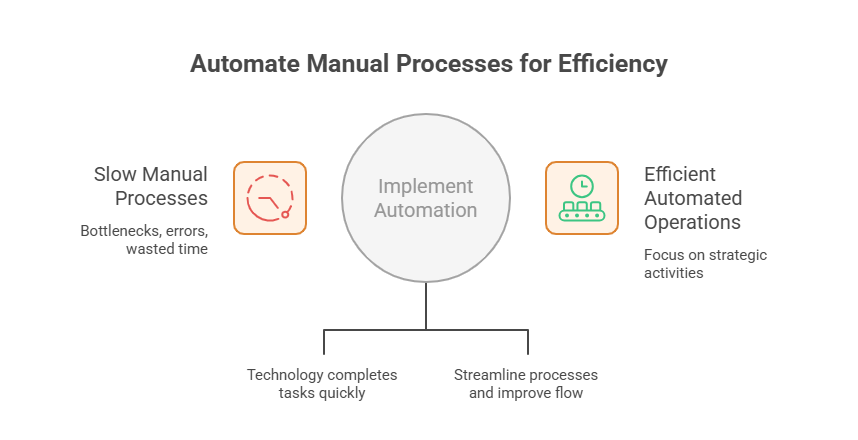
When employees spend hours on tasks that technology could complete in minutes, it’s a clear sign. For instance, manually entering data, processing invoices by hand, or tracking inventory on spreadsheets creates bottlenecks. Additionally, these inefficiencies lead to errors, wasted time, and frustrated staff members.
Digital transformation can automate repetitive tasks, allowing employees to focus on strategic activities. Therefore, businesses experiencing these slowdowns should consider implementing automation tools and workflow management systems.
Sign 2: Customer Complaints About Service Speed
Modern customers expect fast, efficient service regardless of the industry. However, if customer feedback consistently mentions slow response times or outdated service methods, action is needed. Moreover, competitors who have embraced digital tools are likely capturing market share from businesses with slower processes.

Implementing customer relationship management (CRM) systems and digital communication channels can dramatically improve response times. Consequently, businesses can enhance customer satisfaction while reducing operational strain.
Sign 3: Difficulty Accessing Business Data
When decision-makers cannot quickly access important business information, opportunities are lost. Similarly, if data is scattered across multiple systems or stored in incompatible formats, it becomes nearly useless. Furthermore, without real-time insights, businesses make decisions based on outdated or incomplete information.
Digital transformation enables centralized data storage and advanced analytics capabilities. Therefore, leaders can make informed decisions quickly, responding to market changes and customer needs more effectively.
Sign 4: Employees Working From Multiple Disconnected Systems
Switching between numerous software programs reduces productivity and increases frustration. Additionally, when systems don’t communicate with each other, employees must manually transfer information between platforms. This fragmentation also increases the likelihood of errors and inconsistencies.
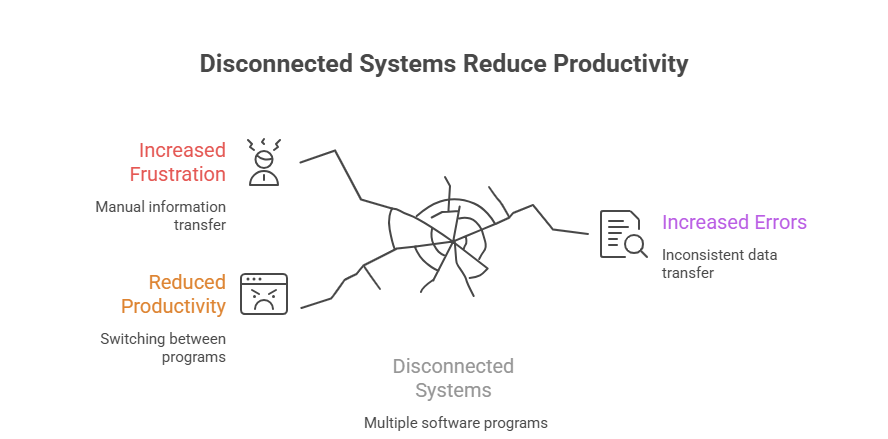
Integrated digital platforms streamline workflows and improve collaboration. As a result, employees work more efficiently and experience less stress in their daily tasks.
Sign 5: Losing Ground to More Tech-Savvy Competitors
If competitors are attracting customers with superior digital experiences, it’s a warning sign. Moreover, businesses that ignore digital trends risk becoming irrelevant in their markets. For instance, competitors might offer online ordering, mobile apps, or personalized digital experiences that customers prefer.
Staying competitive requires matching or exceeding customer expectations for digital convenience. Therefore, businesses must invest in the technologies their target audience values most.
Sign 6: High Operational Costs Despite Stable Revenue
When expenses continue rising without corresponding revenue growth, inefficiency is often the culprit. Furthermore, manual processes, paper-based workflows, and outdated systems all contribute to unnecessary costs. Additionally, these inefficiencies drain resources that could be invested in growth initiatives.

Digital transformation often reduces operational costs through automation and optimization. Consequently, businesses can reallocate savings toward innovation and expansion efforts.
Sign 7: Unable to Scale Operations Effectively
Growing businesses need systems that can handle increased volume without proportional cost increases. However, when current processes require hiring more staff for every incremental growth, scalability becomes impossible. Moreover, this limitation prevents businesses from capitalizing on market opportunities.
Cloud-based solutions and automated systems enable businesses to scale efficiently. Therefore, companies can grow without being constrained by outdated infrastructure limitations.
Sign 8: Poor Communication and Collaboration Among Teams
When teams struggle to share information and coordinate activities, productivity suffers significantly. Similarly, if employees frequently complain about miscommunication or duplicated efforts, collaboration tools are needed. Furthermore, remote work has made effective digital communication even more essential for business success.

Modern collaboration platforms enable seamless teamwork regardless of physical location. As a result, teams work more cohesively and accomplish tasks more quickly.
Sign 9: Limited Online Presence and Digital Marketing
In Austin’s competitive business environment, a weak online presence means missed opportunities. Additionally, if a business lacks a professional website, social media engagement, or digital marketing strategies, potential customers go elsewhere. Moreover, today’s consumers research businesses online before making purchasing decisions.
Digital transformation includes developing a strong online presence and implementing effective digital marketing. Therefore, businesses can reach more customers and build stronger brand awareness.
Sign 10: Difficulty Attracting and Retaining Talented Employees
Top talent expects modern workplaces with up-to-date technology and flexible work options. However, businesses using outdated systems struggle to attract skilled professionals. Furthermore, employees often leave companies that don’t provide the tools they need to work efficiently.

Investing in digital transformation makes businesses more attractive to talented individuals. Consequently, companies can build stronger teams and reduce costly employee turnover.
Taking the First Steps Toward Digital Transformation
Recognizing these signs is just the beginning of the transformation journey. Moreover, Austin businesses should start by assessing their current technology stack and identifying the most critical pain points. Additionally, partnering with experienced technology consultants can help develop a realistic implementation roadmap.
Digital transformation doesn’t happen overnight, and businesses should prioritize changes based on impact and feasibility. Furthermore, involving employees in the planning process increases adoption rates and overall success. Therefore, a thoughtful, phased approach typically yields the best results for SMEs and local businesses.
Conclusion
Digital transformation has become essential for Austin businesses seeking to remain competitive and profitable. The ten signs outlined in this article from manual processes and poor data access to weak online presence and talent retention issues indicate when change is necessary.
Moreover, addressing these challenges through strategic technology adoption can dramatically improve efficiency, customer satisfaction, and growth potential. Furthermore, businesses that act proactively rather than reactively position themselves for long-term success.
Therefore, Austin SMEs and local businesses should carefully evaluate their operations against these indicators. Ultimately, embracing digital transformation is not just about technology it’s about creating a more agile, efficient, and customer-focused organization ready for the future.
FAQ
What is digital transformation for small businesses?
Digital transformation for small businesses involves integrating technology into operations to improve efficiency, customer experience, and competitiveness. It includes automating processes, adopting cloud solutions, and implementing digital marketing strategies.
How much does digital transformation cost?
Costs vary widely depending on business size and needs. Small businesses might start with modest investments in cloud software and basic automation, while comprehensive transformations can require larger budgets. Many solutions offer scalable pricing suitable for SMEs.
How long does digital transformation take?
The timeline depends on the scope of changes. Simple implementations might take weeks, while comprehensive transformations can span months or years. Most businesses benefit from a phased approach that delivers incremental improvements.
Can small Austin businesses afford digital transformation?
Yes, many affordable options exist specifically for SMEs. Cloud-based software, subscription pricing models, and scalable solutions make digital transformation accessible for businesses of all sizes in Austin.
What’s the first step in digital transformation?
Start by assessing current processes and identifying the biggest pain points. Then prioritize changes based on potential impact and available resources. Consulting with technology experts can help develop an effective strategy.
Stay Connected with Us, Have any Query?
![AI Customer Segmentation in CRM [Proven Data + 6-Step Setup]](https://www.codesoltech.com/wp-content/uploads/2026/09/AI-Customer-Segmentation.webp)
![AI Meeting Notes & Call Summaries in CRM [6-Step Plan]](https://www.codesoltech.com/wp-content/uploads/2026/09/AI-Meeting-Notes-.webp)